Detect Fraud, Before It Gets Costly
Neuramancer analyzes images and documents throughout the claims process for AI-generated content, manipulation, and forensic anomalies – automatically and with transparent, explainable results.


Image & Document Verification

Transparent & Explainable Results

Seamless Integration into Your Claims Process
Can You Tell Which Damage Is Real?
Explore different insurance claims. Decide for yourself and see what’s real and what’s fake.
Case 01 / 06
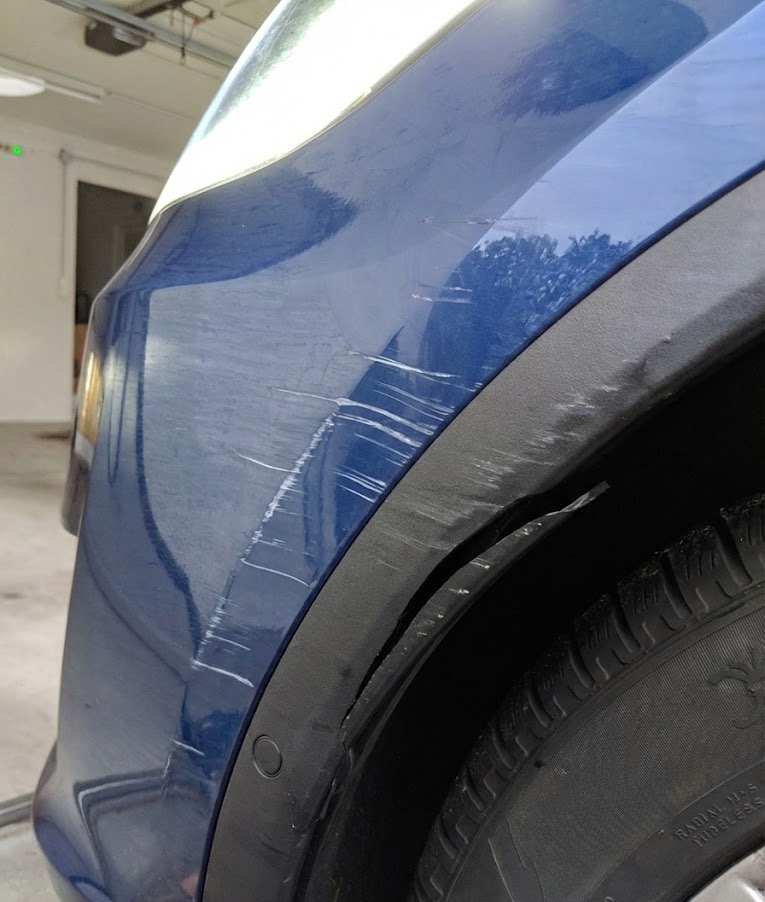
REAL
Fake
CASE 01 / 06
AI-MANIPULATED
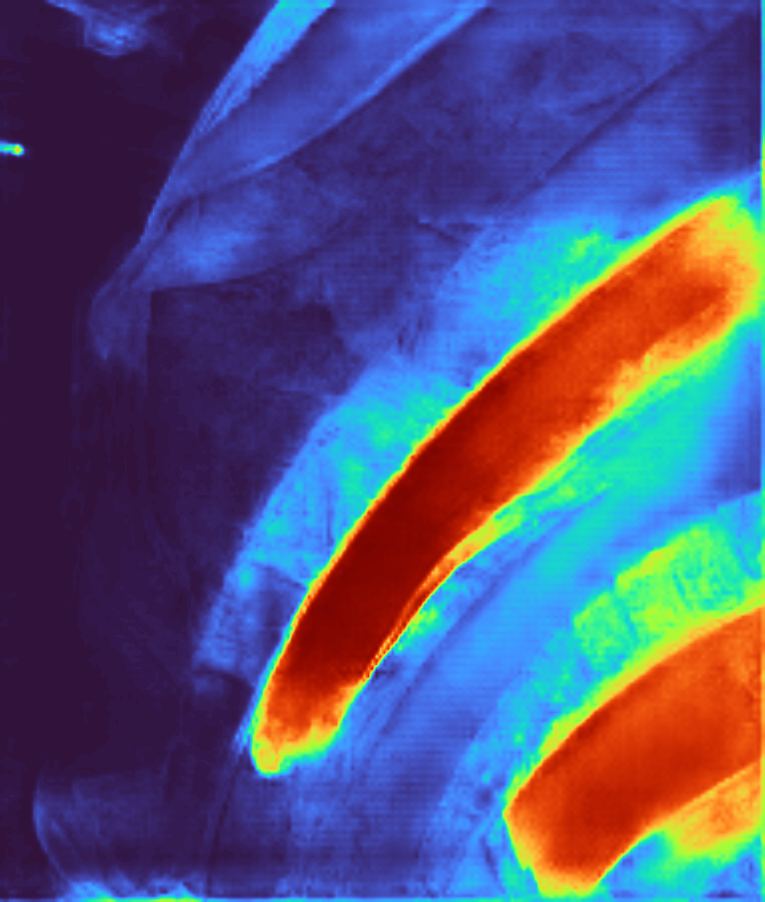
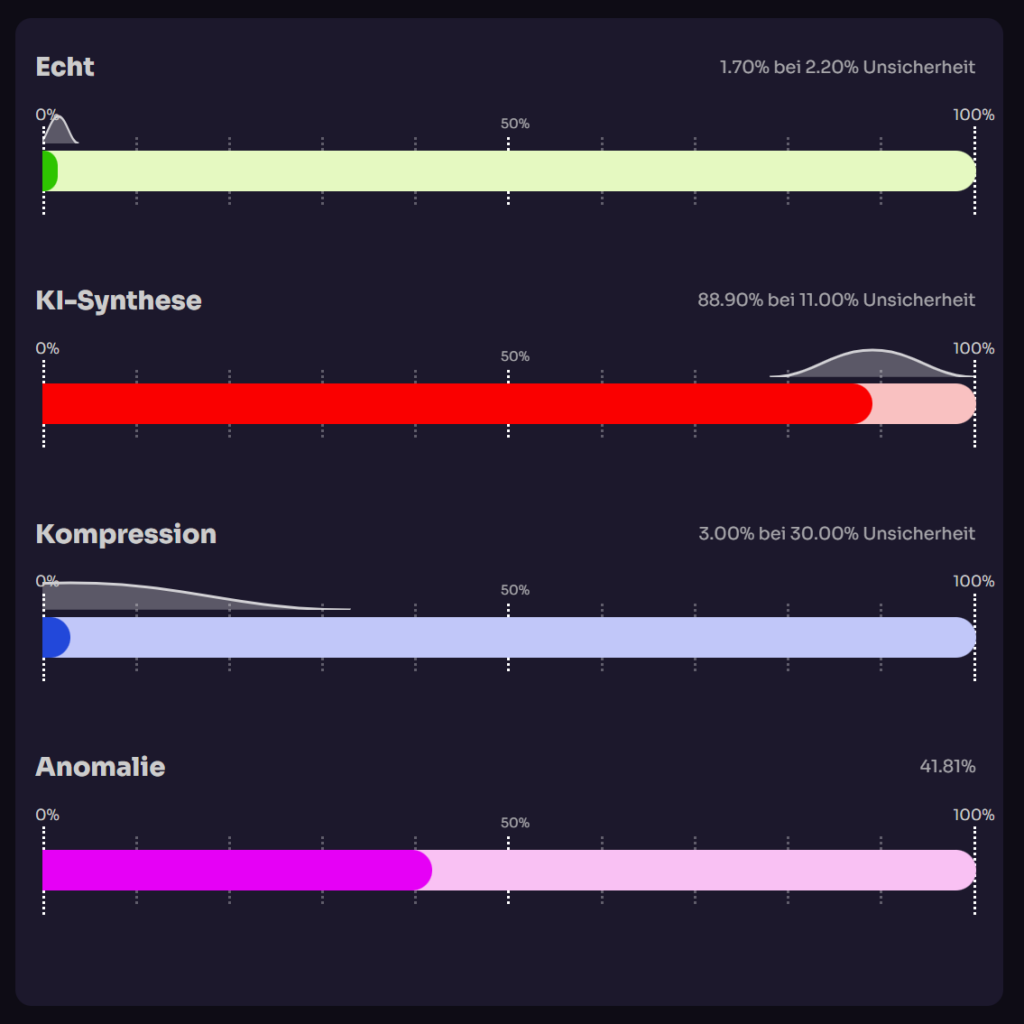
FINDINGS: Our system detects deliberate manipulation in the highlighted area.
Case 02 / 06
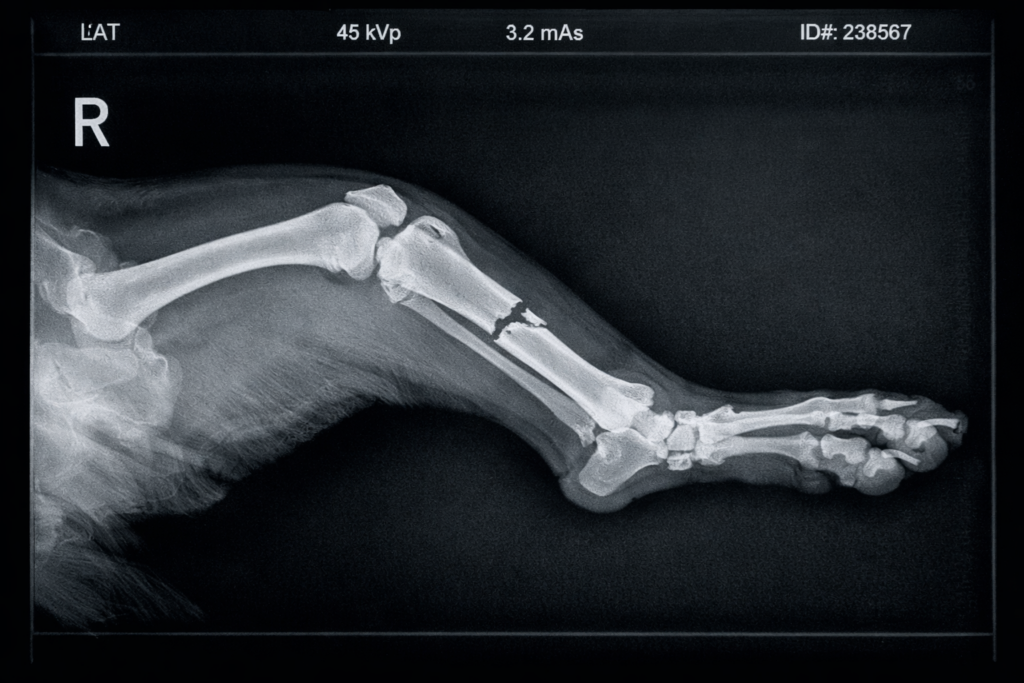
REAL
Fake
CASE 02 / 06
AI-GENERATED
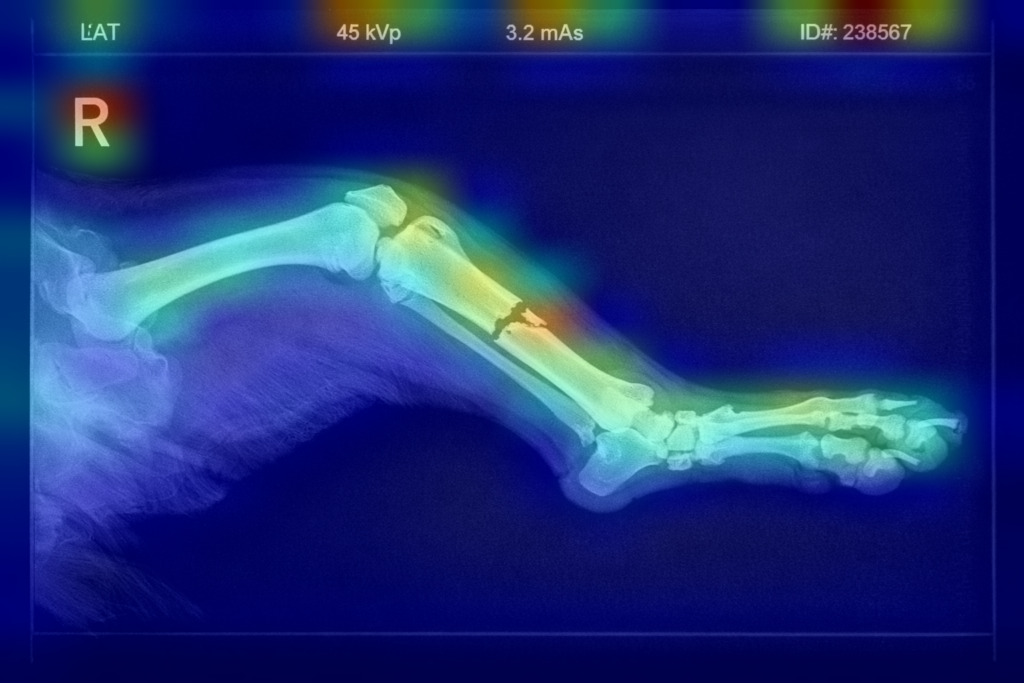
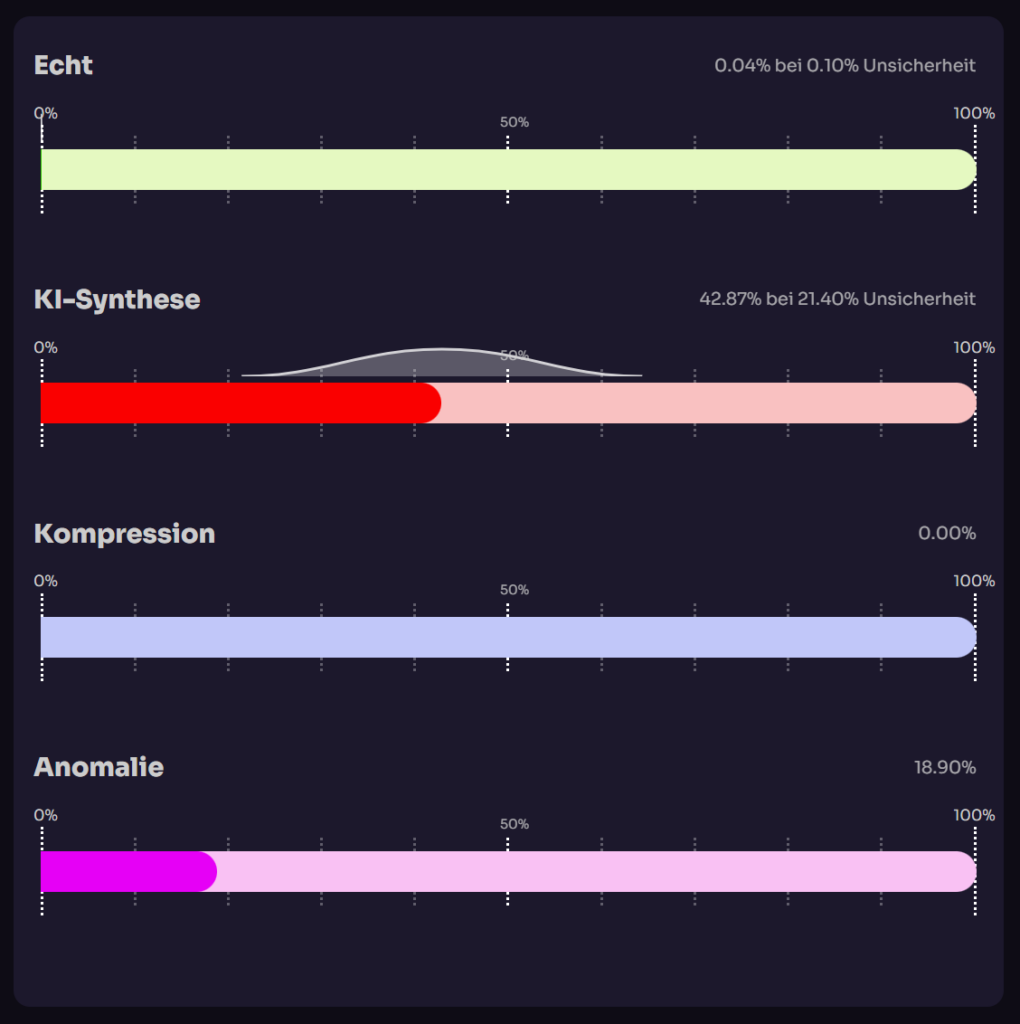
FINDINGS: Our system detects clear signs of AI-generated content.
Case 03 / 06
REAL
Fake
CASE 03 / 06
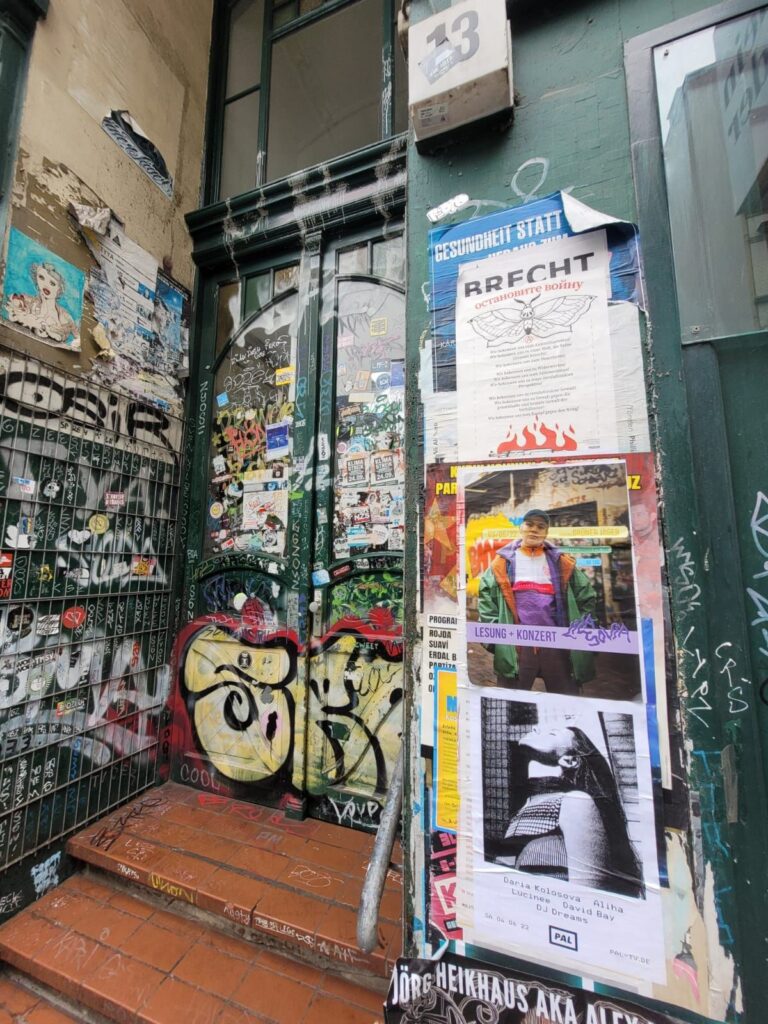
REAL
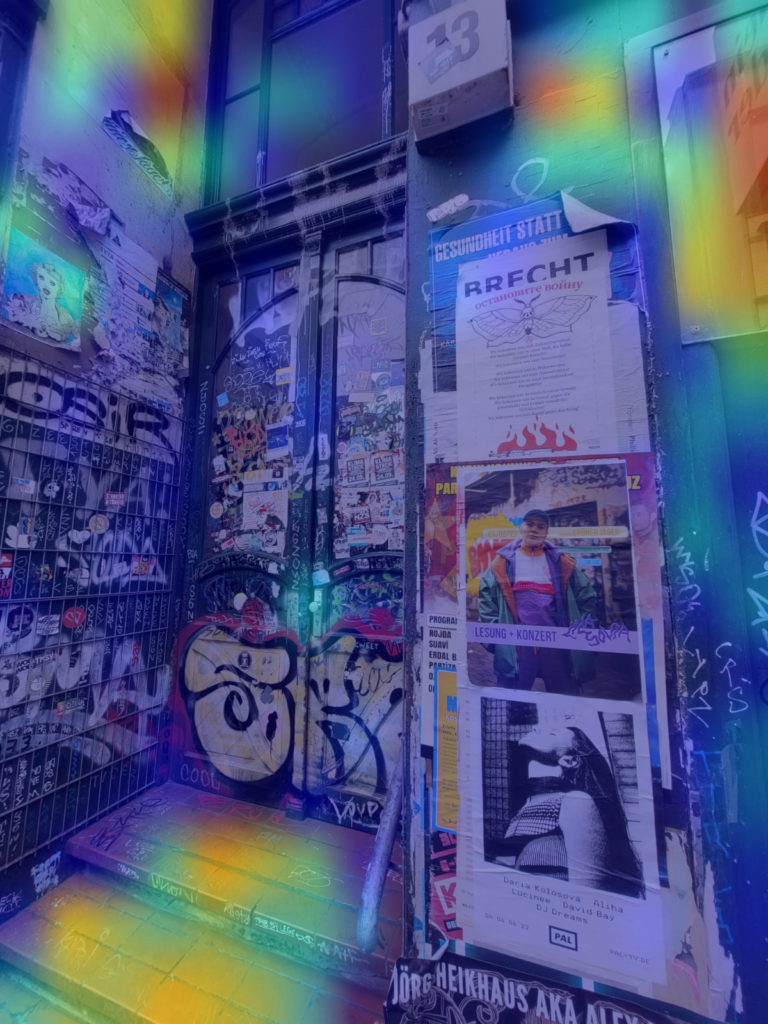
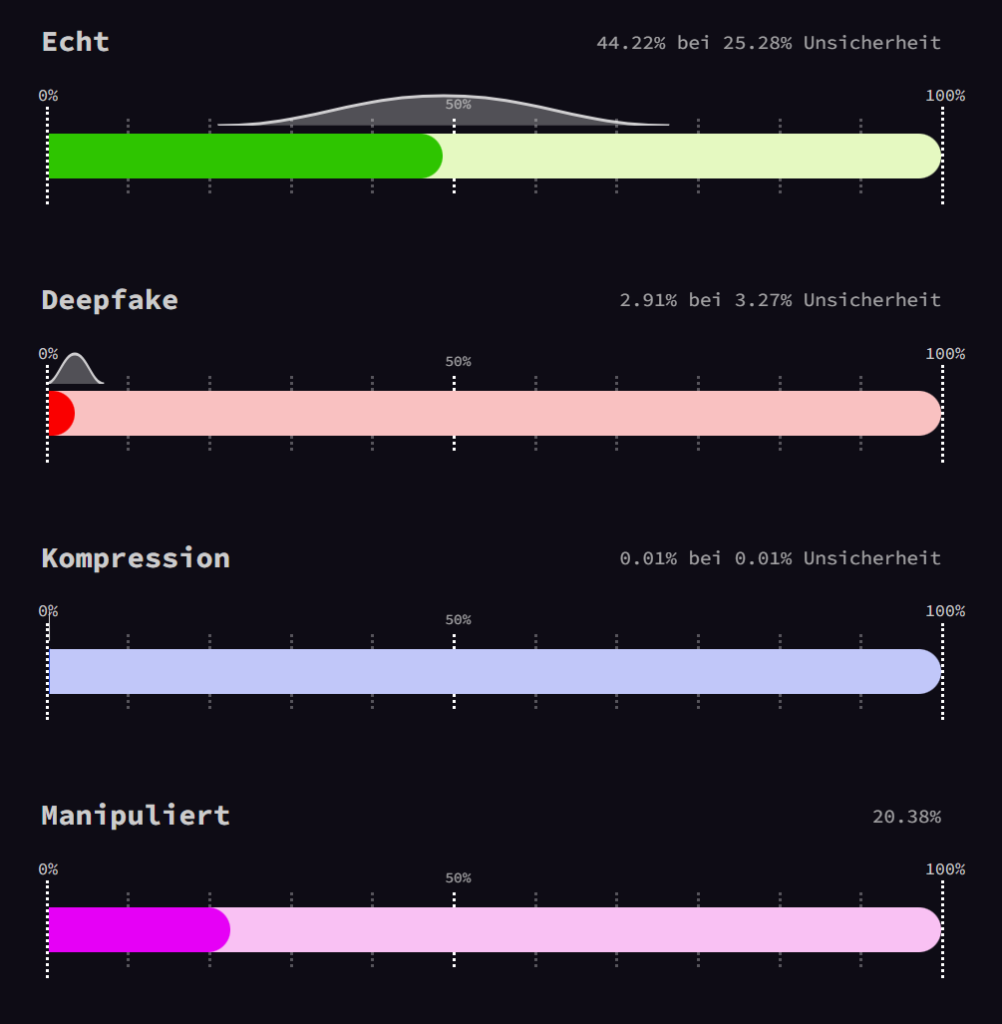
FINDINGS: Our system detects clear indicators of authenticity.
Case 04 / 06
REAL
Fake
CASE 04 / 06
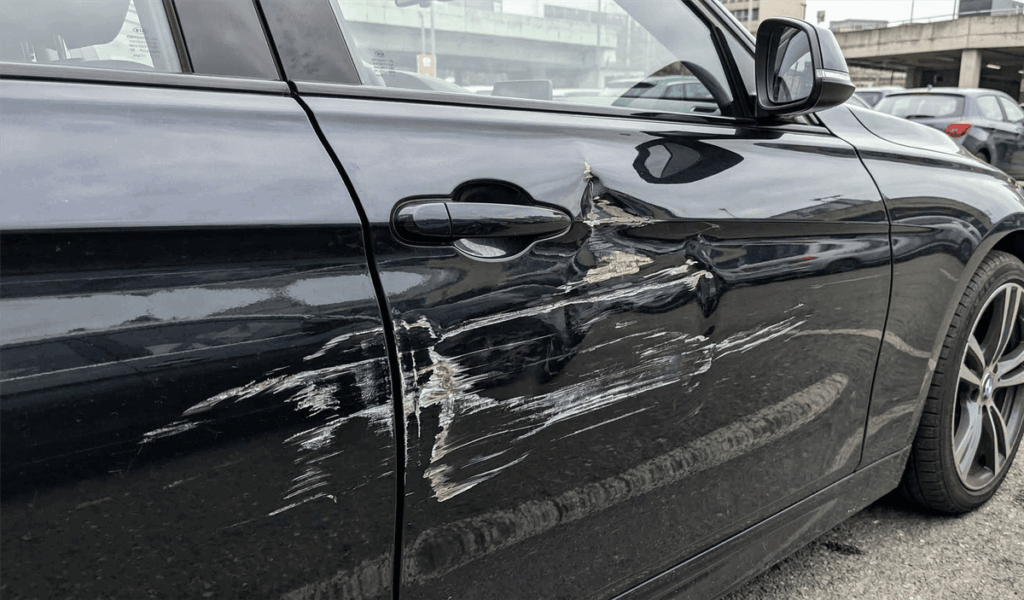
AI-GENERATED
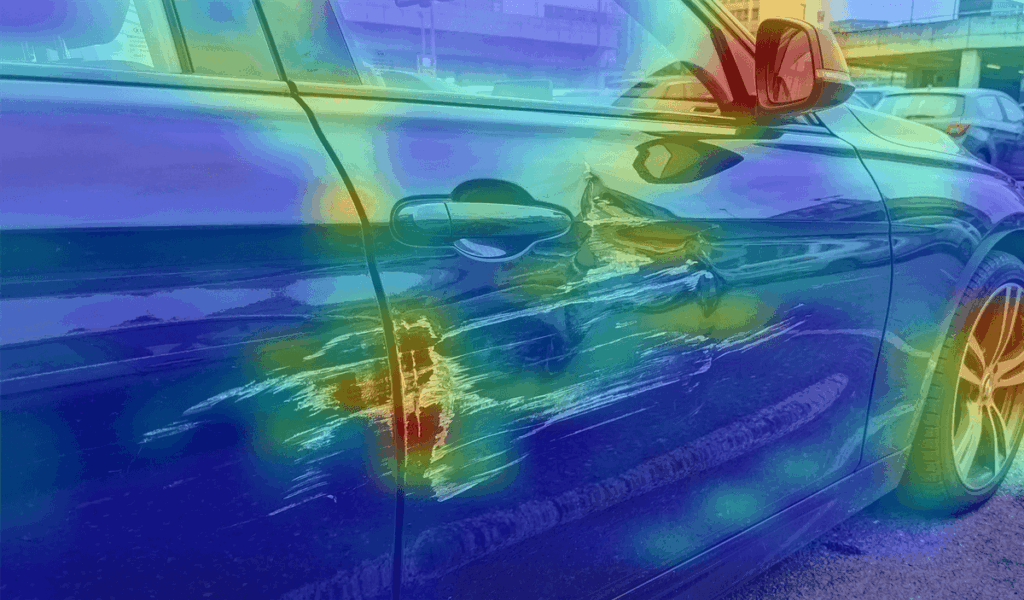
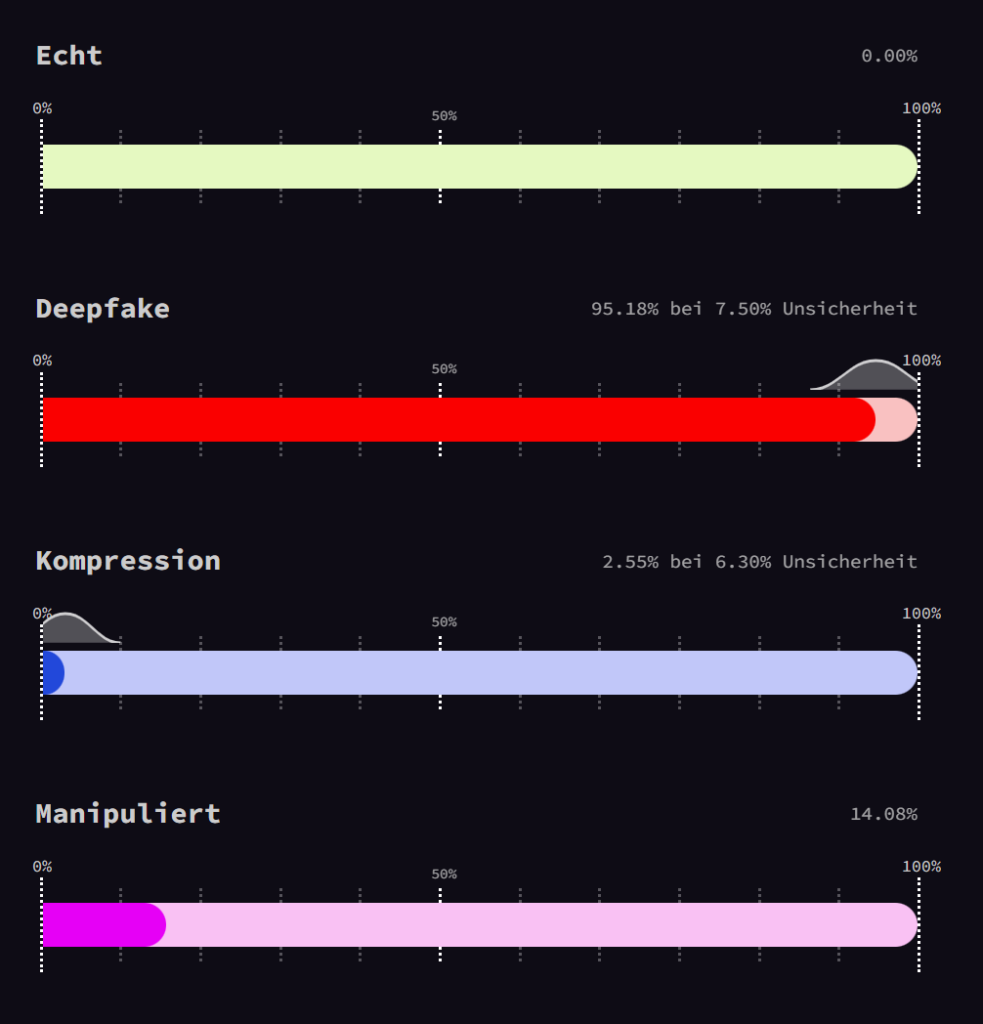
FINDINGS: Our system detects clear signs of AI-generated content.
Case 05 / 06
REAL
Fake
CASE 05 / 06
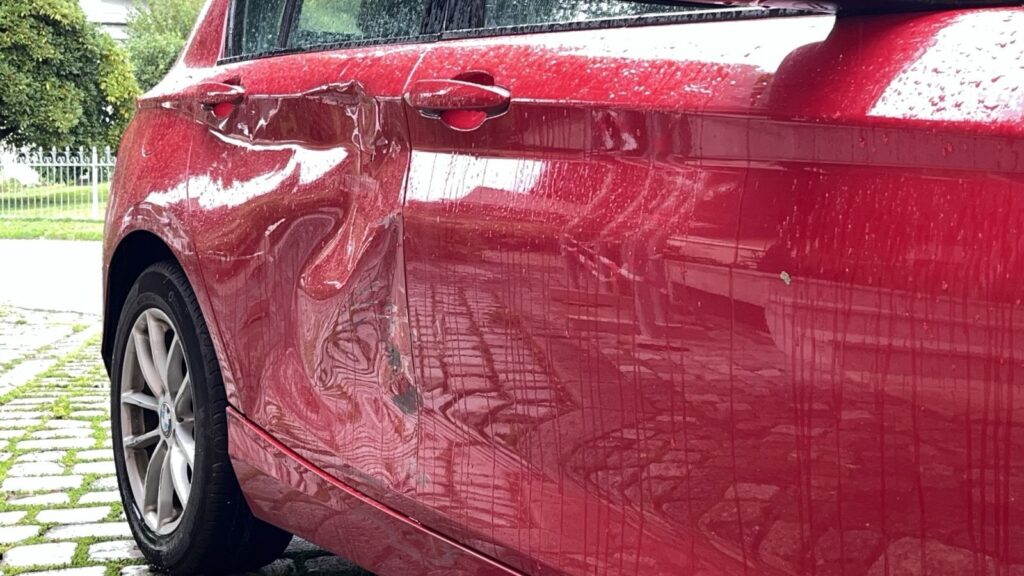
REAL
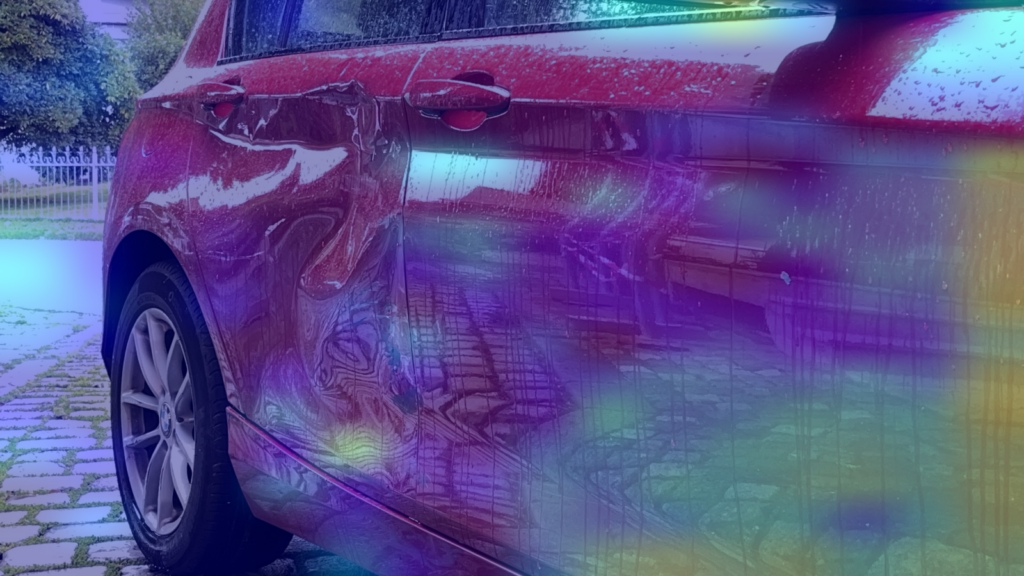
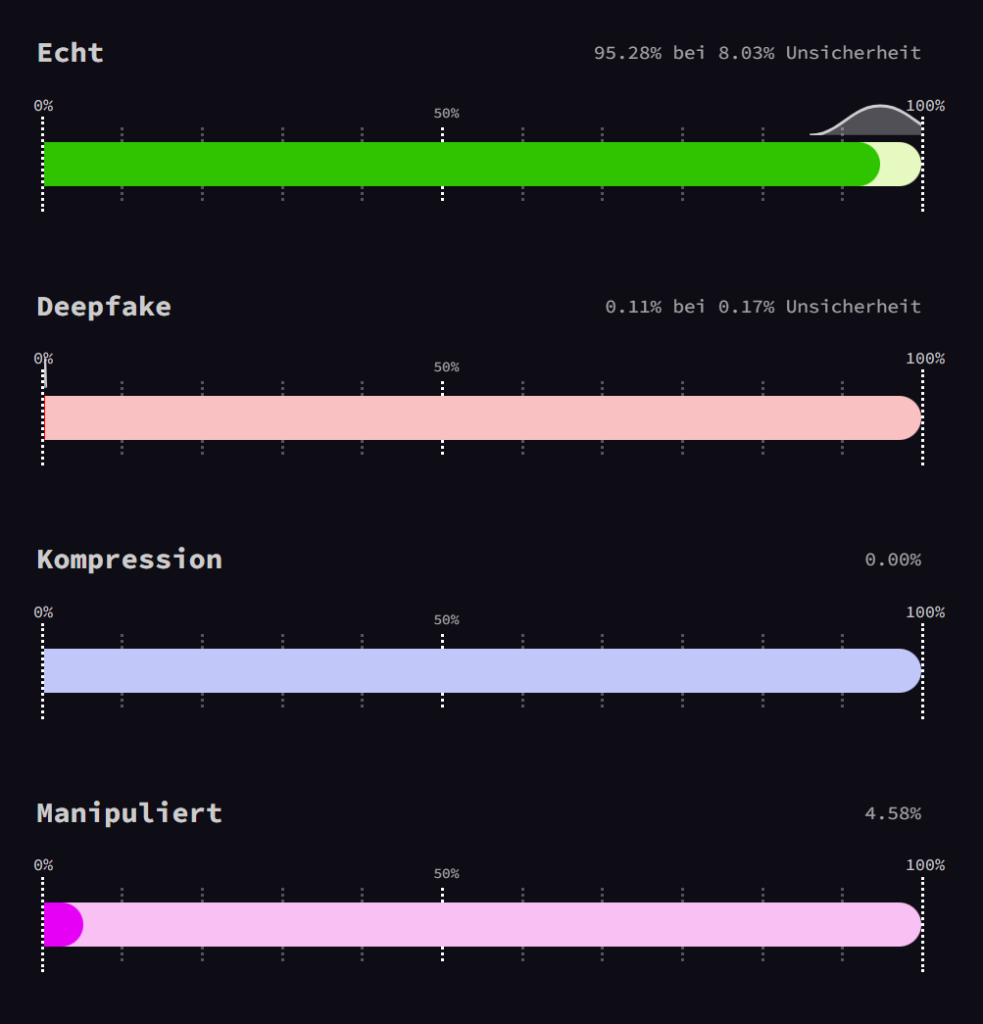
FINDINGS: Our system detects clear indicators of authenticity.
Case 06 / 06

REAL
Fake
CASE 06 / 06
AI-GENERATED
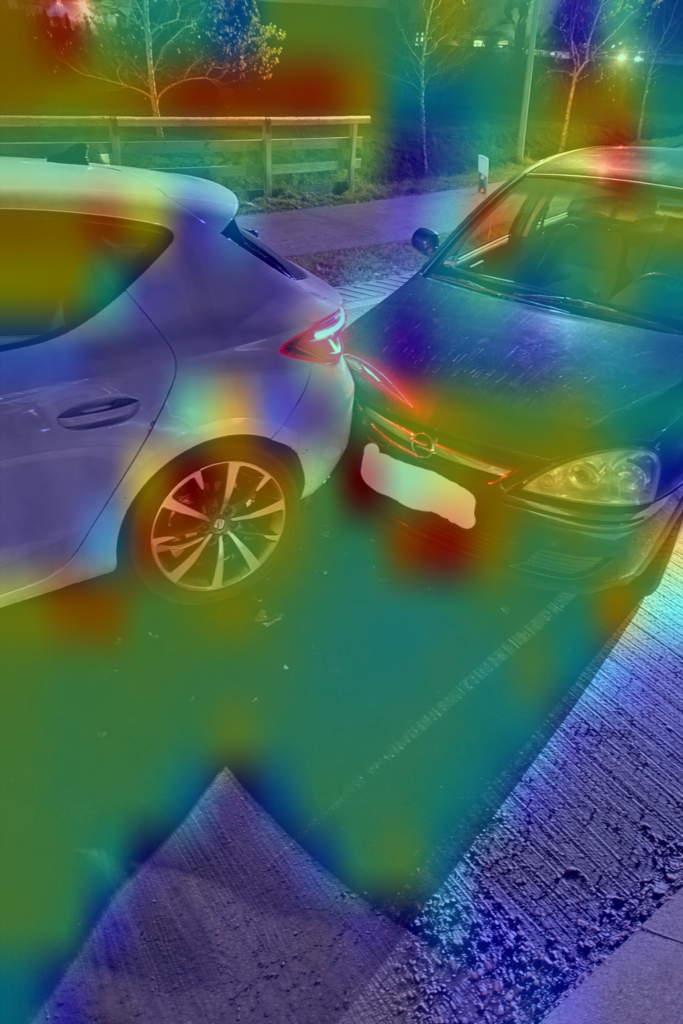
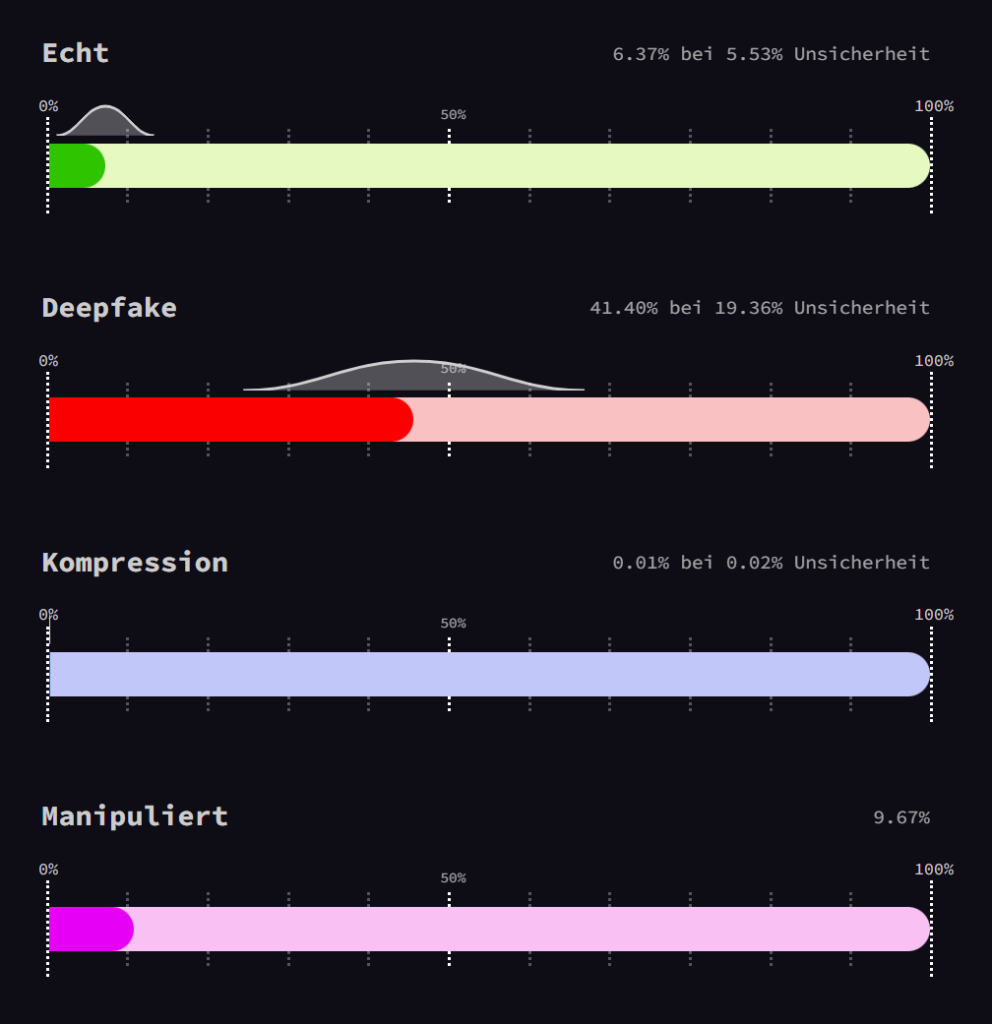
FINDINGS: Our system detects clear signs of AI-generated content.
One Red Flag Isn’t Enough.
Multiple Signals Make the Difference..
Neuramancer doesn’t rely on a single indicator. Instead, it combines multiple analytical methods to deliver a reliable, evidence-based assessment.
Insurance claims often involve a combination of images and documents. By analyzing them using multiple forensic methods, Neuramancer builds a comprehensive picture of potential fraud.



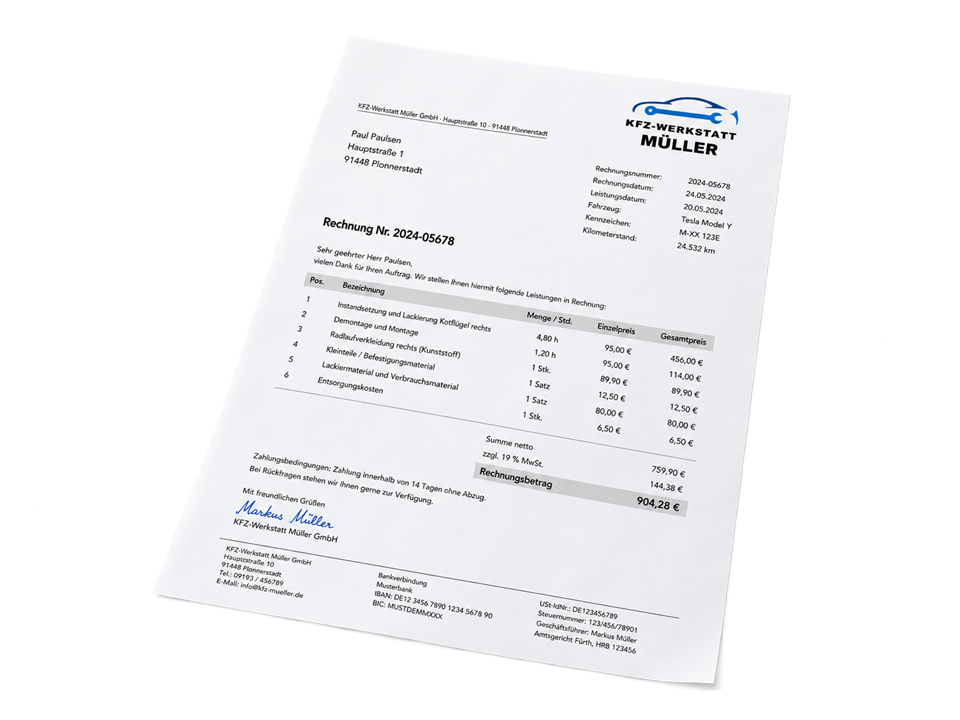
AI-Synthesis
Detects signs of AI-generated content
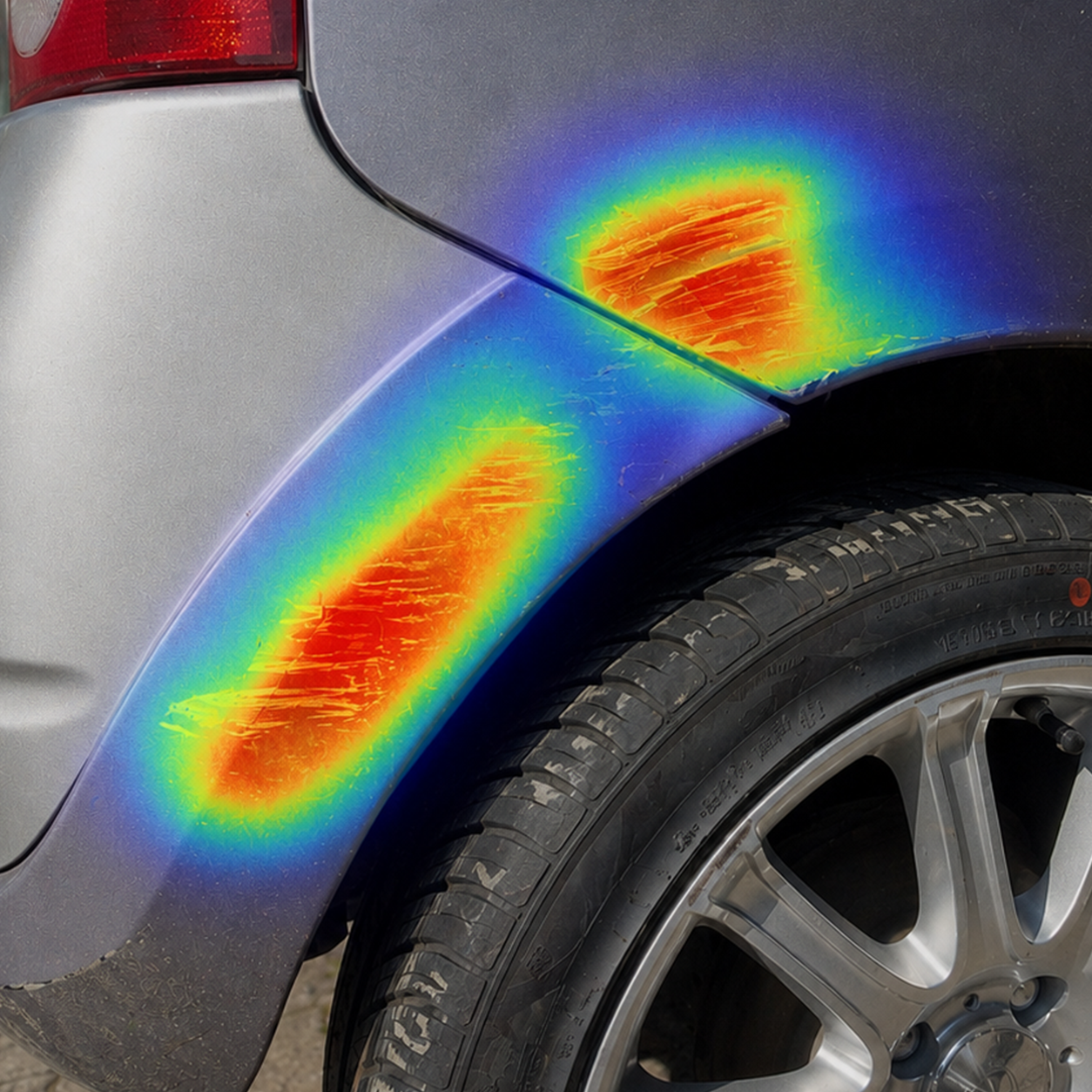
Manipulation
Detects traditional and AI-based manipulation
Duplicate Detection
Searches for identical content across internal and external data sources
Plausibility Checks
Verifies the plausibility of information contained in documents
Metadata Analysis
Analyzes file metadata to identify anomalies
This enables us to reliably detect common image- and document-based fraud scenarios.


Forensic
Analysis

Key Findings
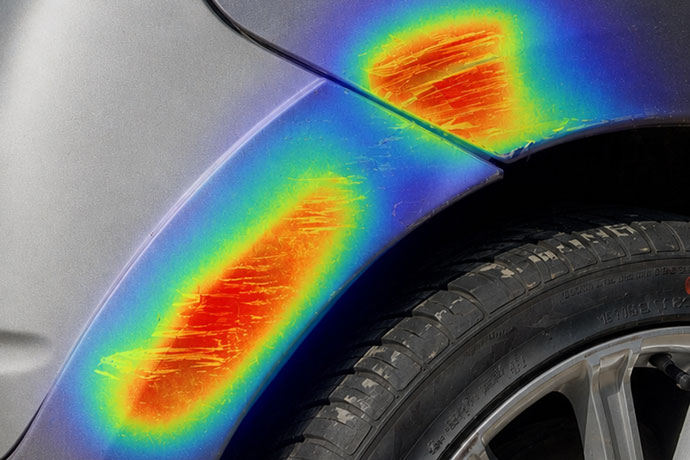
Clear signs of AI-based image manipulation detected.
Heatmap
Explainable Forensic
Reports – No Black Box
Investigations, claims assessments, and
disputes require more than just a score.
-
Content Classification
Authentic, AI-generated, or manipulated
-
Metadata Analysis
Verification of origin & modifications
-
Uncertainty Analysis
Clear probability assessments
-
Duplicate Detection
Cross-checking against known data sources
-
Visual Heatmaps
Spot anomalies at a glance
-
Forensic Interpretation
Transparent & easy to understand


Minimizing False Positives:
Our intelligent uncertainty analysis identifies ambiguous and inconsistent data, explicitly flagging uncertain cases rather than making premature or inaccurate decisions.
How We Build Trust into Your Claims Process
Seamless. Scalable. Effective.
Whether your data comes as images (JPG, PNG) or is embedded in documents (PDF), our solution handles it all.
-
 Customer
-
 Claim Submission
-
 Input
Management -
 Claims / Fraud Review
-
 Decision
-
 Payout

(1) Initial Screening
Fully automated analysis of incoming images and documents to identify suspicious claims.

(2) Forensic Analysis
Detailed forensic reports on suspicious claims, backed by reliable evidence.
Seamless API Integration
Built to operate
at scale.
Your Benefits
Less Effort. Greater Confidence.
Four key benefits that deliver lasting improvements to your claims process:

Faster Claims Review
Less manual inspection thanks to automated preliminary screening.

Reduced Fraud Losses
Identify suspicious claims early in the process.
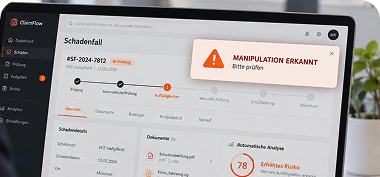
Reliable Automation
Greater confidence in automated claims processing.
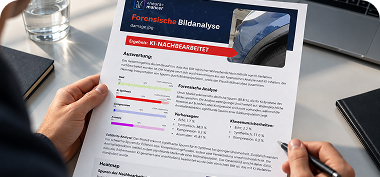
Targeted Fraud Prevention
Transparent, evidence-based analysis to support informed decision-making.
Automate Reviews. Detect Risks. Make Informed Decisions.

From Research.
To Real-World Applications.
We Understand Generative AI
Down to Its Core Architecture.
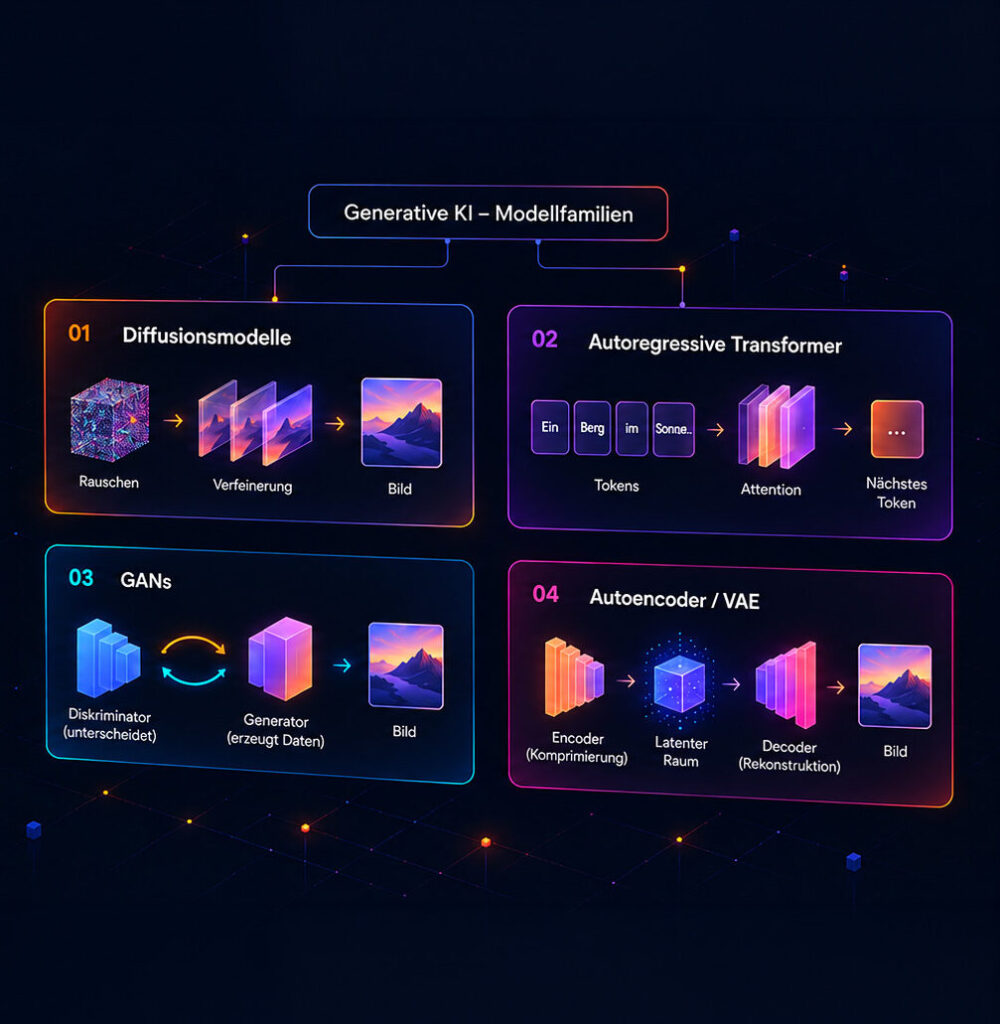
Modern media generation relies on a wide range of techniques, from diffusion models and autoregressive transformers to GANs and autoencoder architectures. We understand how these models work and apply this expertise to conduct technically rigorous forensic analyses of synthetic media.
From Research.
To Real-World Applications.
We Understand Generative AI
Down to Its Core Architecture.
Modern media generation relies on a wide range of techniques, from diffusion models and autoregressive transformers to GANs and autoencoder architectures. We understand how these models work and apply this expertise to conduct technically rigorous forensic analyses of synthetic media.
Partners & Supporters






Neuramancer Wins the 2026 Bavarian Innovation Award
Neuramancer took first place in the “Start-Up” category at this year’s Bavarian Innovation Awards.
Don’t Take Our Marketing at Face Value.
Examine the Evidence for Yourself.
Bring us a real insurance claim. We’ll demonstrate how Neuramancer detects signs of manipulation using a real-world or anonymized case, and show you how it can integrate into your existing claims process.
Neuramancer in the MediA
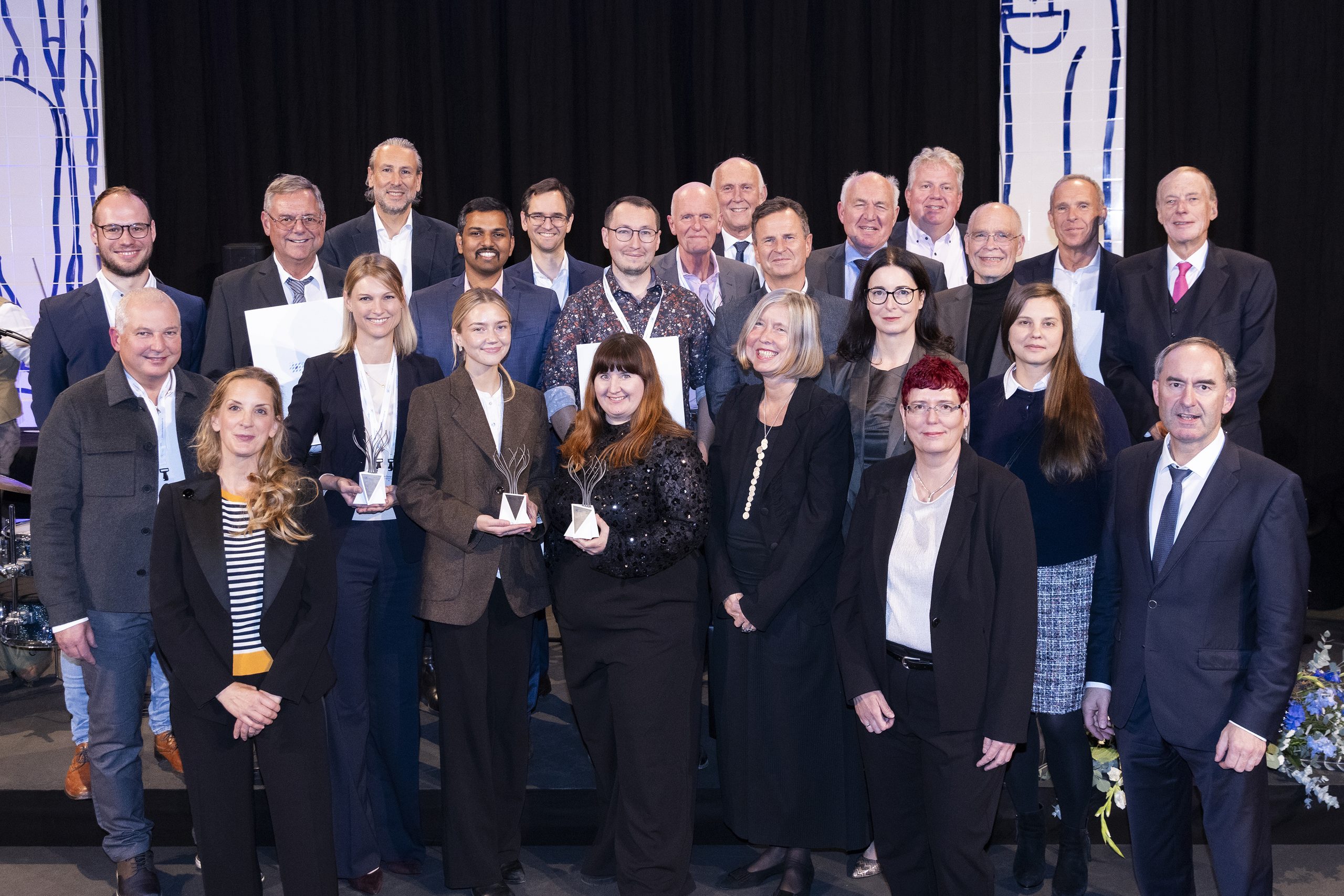
Neuramancer Wins the 2026 Bavarian Innovation Award
(Bavarian State Ministry of Economic Affairs, Regional Development and Energy)
Neuramancer has won first place in the “Start-Up” category at this year’s Bavarian Innovation Award. Selected from 230 outstanding submissions, the young company impressed the jury and received the award in person from Hubert Aiwanger, Bavaria’s Minister of Economic Affairs.
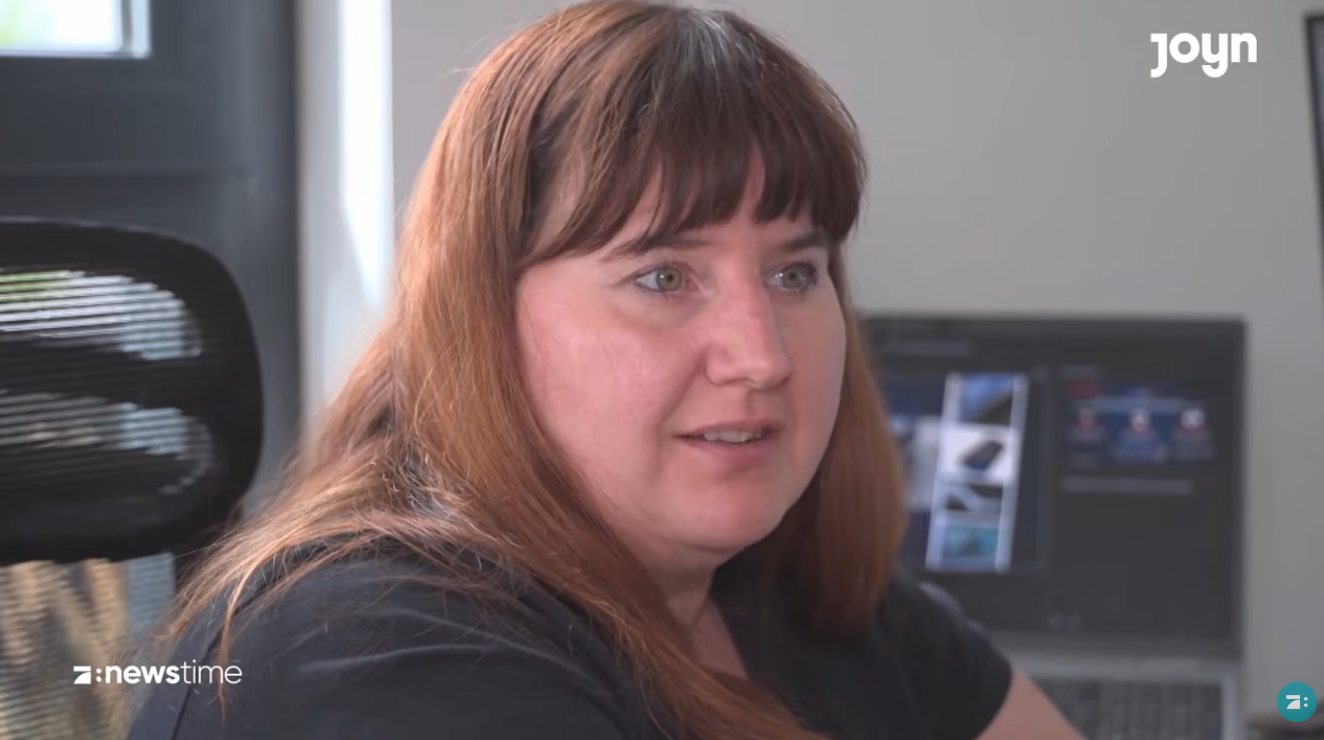
How Fake Videos Threaten Democracy
(by Pro7 :newstime)
AI-generated videos and deepfakes are becoming increasingly realistic and are now almost impossible to reliably detect with the naked eye. Anika Gruner explains how experts track down the telltale signs of manipulated footage.
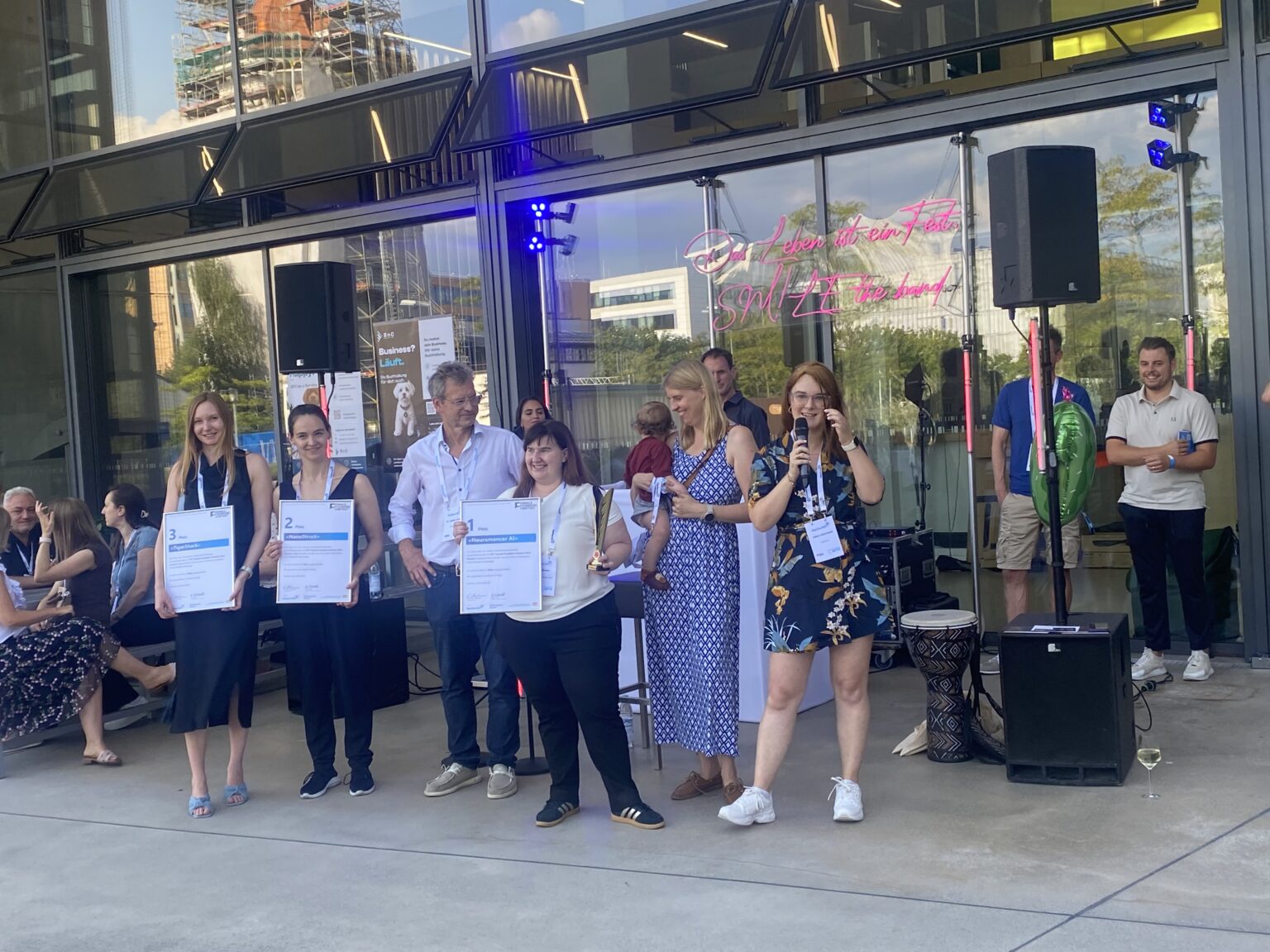
Neuramancer Wins the Bavarian Final of the Female Founders Contest 2026
(Article in VentureCapital Magazin)
At the 2026 Bavarian Female Founders Contest, Anika Gruner impressed the jury with her pitch, taking the top spot in the Bavarian final ahead of twelve other finalists.
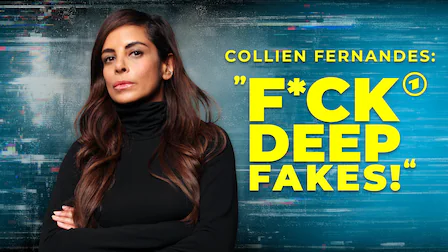
Neuramancer Featured in Documentary on Deepfakes with Collien Fernandes
ARD Mediathek
Collien Fernandes visited us in Rosenheim to learn more about the latest advances in deepfake detection. Her interview with Anika Gruner can be seen in the documentary from minute 35 onwards.
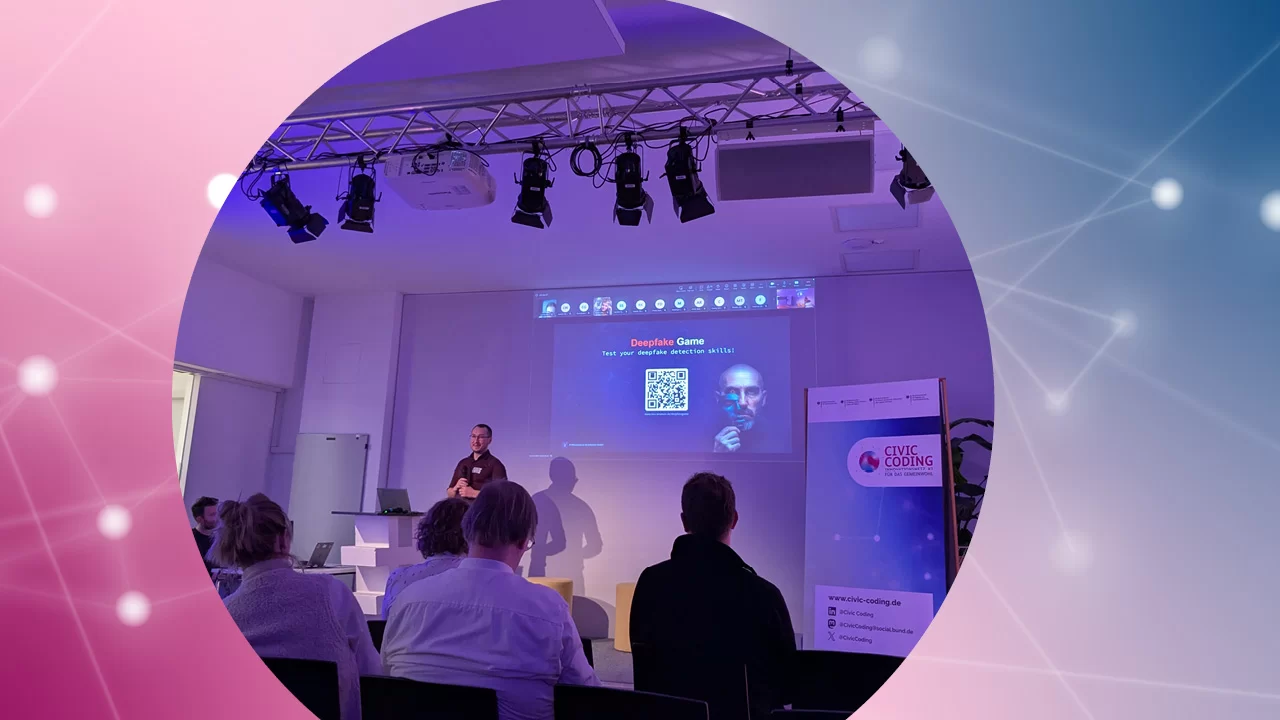
Deepfakes: Risks, Legal Frameworks & Detection Technologies
(Guest article for the Civic Coding Forum)
At our joint Civic Coding forum with Media Lab Bayern, we discussed how media literacy can help protect against disinformation and how AI applications can support fact-checking and the detection of manipulated content. One of the practical examples presented was software developed by start-up Neuramancer, which can detect manipulation in images and videos. In his guest article, founder Anatol Maier takes a closer look at the risks posed by deepfakes and the ways to combat them.
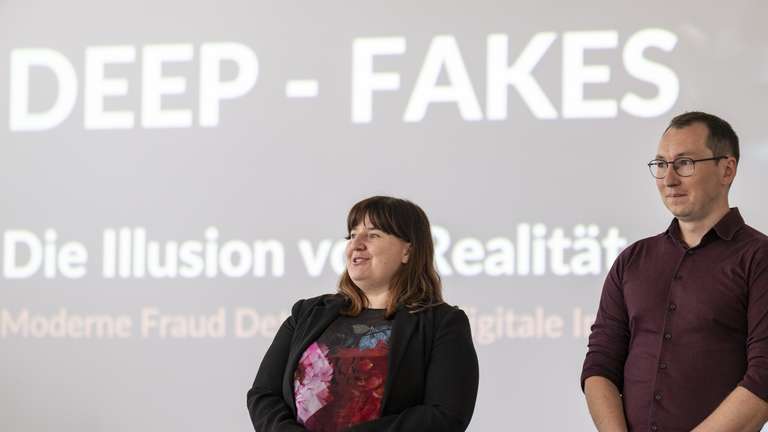
Startup Develops Software to Combat Deepfakes in Digital Media
Article about Neuramancer on Merkur.de
A fake image can destroy careers and influence elections – even when it is entirely fabricated. Two founders are taking on the growing threat of deepfakes.
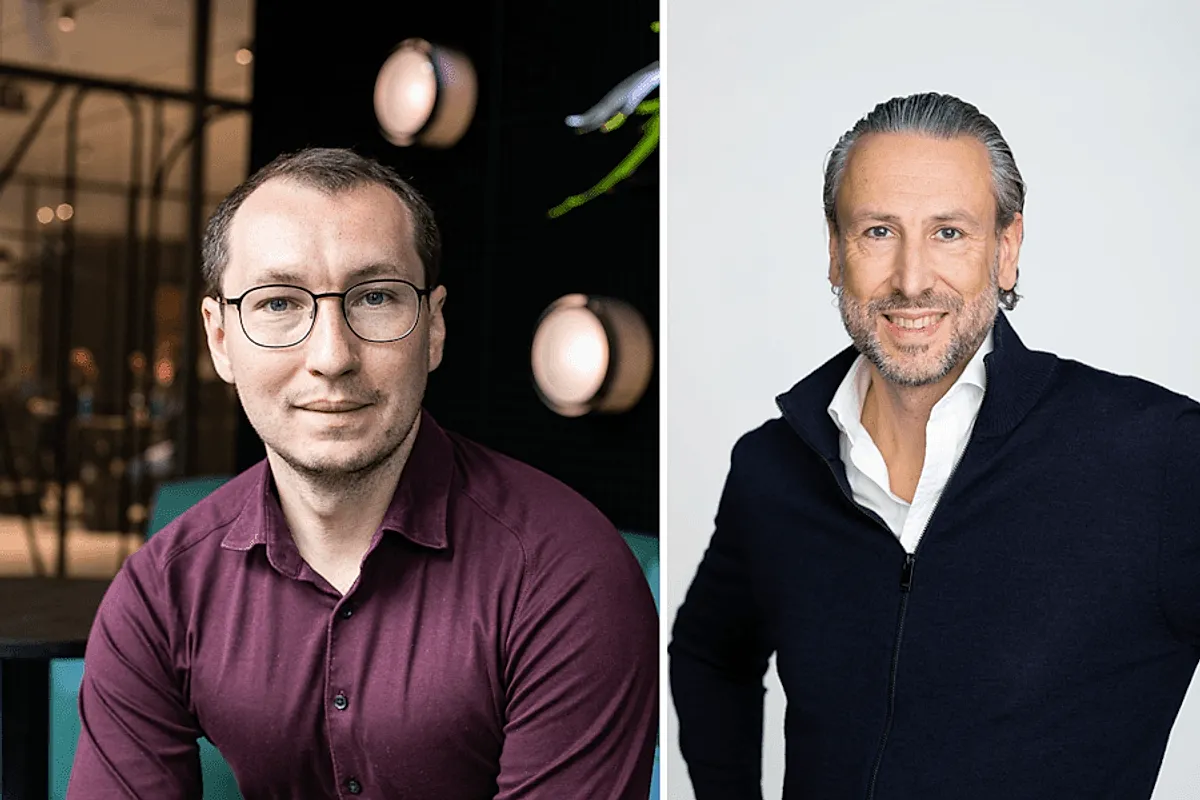
Interview with Martin Sondenheimer and Anatol Maier in Finanzwelt
In an interview with industry magazine Finanzwelt, Anatol Maier and Martin Sondenheimer answer questions about how Neuramancer’s deepfake detection technology is keeping pace with rapid advances in AI, the technical challenges that lie ahead, and the new use cases for Neuramancer’s technology.
How to Build a Successful Startup Despite the Economic Crisis
BR24 at Neuramancer
What does it take to build a successful startup? What mindset do founders need to turn their ideas into a successful business? Featured on BR24.

Deepfake Expertise Featured on the Bavarian Broadcasting Corporation’s “Stationen” Programme
Real or fake? Images of the Pope wearing a white puffer jacket or Donald Trump being arrested are relatively easy to identify as fake. But artificial intelligence is becoming an increasingly common part of everyday life – and with it comes growing mistrust.
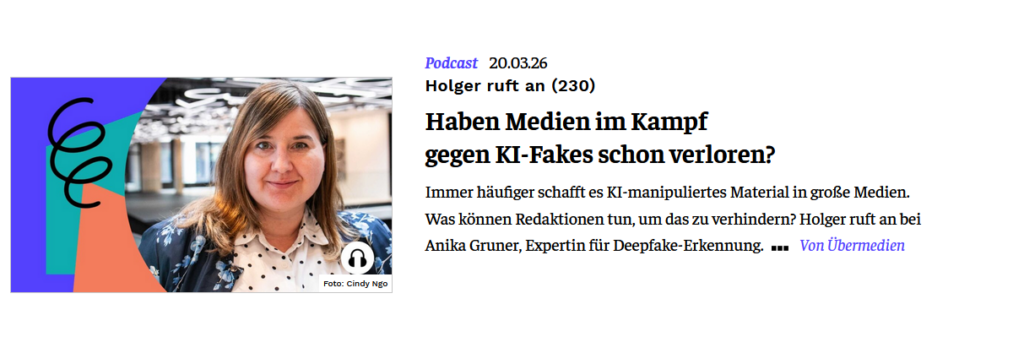
Podcast on Fake News Agency Images Related to Iran
Holger ruft an – on Deepfakes
In March 2026, Der Spiegel revealed that it had inadvertently used AI-generated images in its coverage of Iran. The editorial team only discovered the issue after the images had already been published. Neuramancer was brought in to examine the suspicious images, and podcast host Holger Klein from Übermedien interviewed Anika Gruner about the case.
Podcast on Deepfakes and Fact-Checking on Spotify
Fake News & Fact-Checking
The fear of no longer being able to trust our own eyes is a recurring concern when it comes to deepfakes. Apps and freely accessible online platforms make it incredibly easy to create them, while there is no general requirement to label AI-generated content. This naturally makes spotting fakes more difficult.
This episode explores the typical signs that can help identify AI-generated images, videos and audio. What exactly should we look for when checking object permanence and tone of voice? Why can we still rely on our own eyes? And why are AI detectors often unreliable?
Jana Heigl from the fact-checking format Faktenfuchs, Johanna Steele from Neue Presse and Anatol Maier from the startup Neuramancer AI share their insights.

Press Coverage by XPLR: Media in Bavaria
How can media professionals identify AI-generated or manipulated content? Anika Gruner and Anatol Maier know the answer. Through their start-up Neuramancer AI, they are developing software that can determine whether artificial intelligence was used to create or alter images and other content.
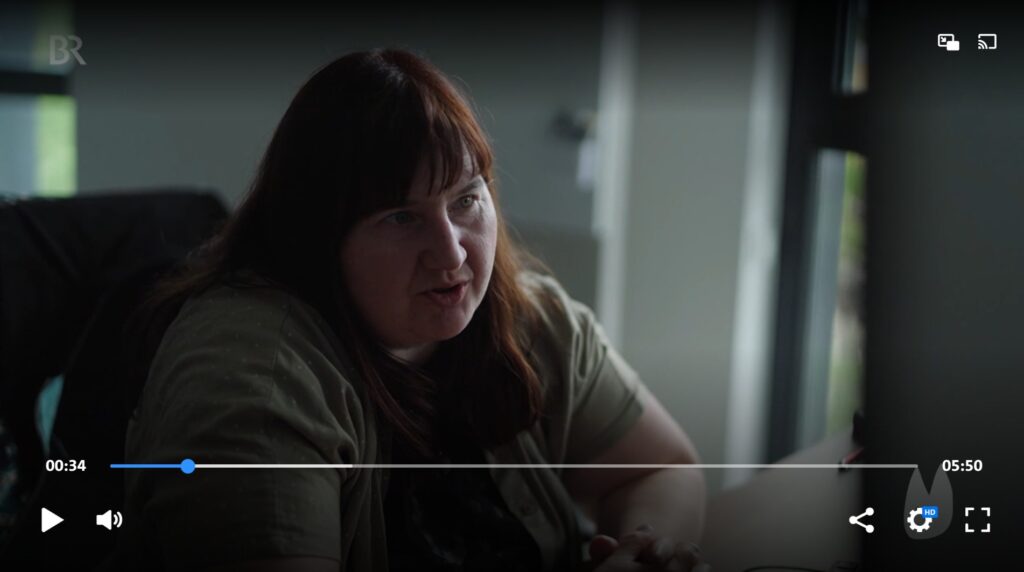
Neuramancer Featured on BR’s Arts and Culture Programme Capriccio
Author Maximilian Sippenauer visited Neuramancer to explore a pressing question: What does the future hold for images in our society?
Podcast on Deepfakes and Fact-Checking on Spotify
Featuring Anika Gruner and Anatol Maier
Deepfakes in images, videos and audio are becoming increasingly difficult to detect, posing a growing challenge for the media. Neuramancer offers a solution with its advanced AI technology, which identifies manipulated and AI-generated content.
How does this technology work, and what role will it play in the future of the media? Host Sabrina Harper talks to experts Anika Gruner and Anatol Maier about the rapid advances in deepfake detection and what media professionals can learn from them.