Ready for the EU AI Act’s labeling requirements?
An image on LinkedIn. A promotional video. A CEO portrait on a company website. Or simply photos of the office in a job listing. Today, any of these could be AI-generated or captured with a camera.
With the EU AI Act’s transparency requirements taking effect on August 2, 2026, clear rules now govern how images must be labeled. We explain what businesses need to know to stay compliant and offer a practical tool to help: our very own “Label-O-Mat.”
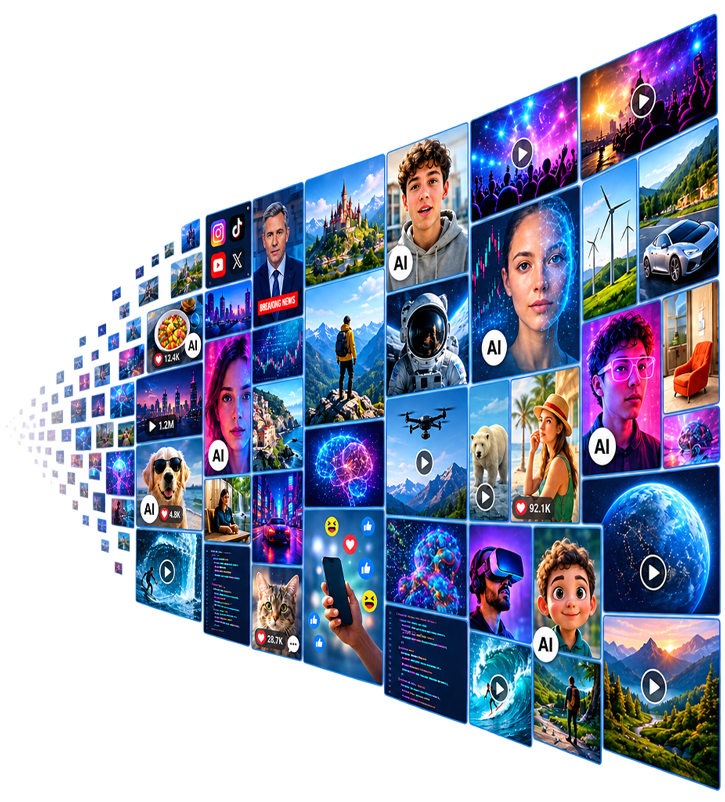

Which content needs to be labeled?
The EU AI Act sets out requirements for both providers of generative AI systems and those who share so-called “deepfakes.”
The exact wording: “Deployers of an AI system that generates or manipulates image, audio or video content constituting a deep fake, shall disclose that the content has been artificially generated or manipulated. This obligation shall not apply where the use is authorised by law to detect, prevent, investigate or prosecute criminal offence. Where the content forms part of an evidently artistic, creative, satirical, fictional or analogous work or programme, the transparency obligations set out in this paragraph are limited to disclosure of the existence of such generated or manipulated content in an appropriate manner that does not hamper the display or enjoyment of the work.”
What is a deepfake?
The term deepfake was first used in academic research. It combines “deep,” referring to deep learning, a type of machine learning, and “fake,” meaning something that has been falsified or fabricated.
In everyday language, the term deepfake has come to describe images and videos that have been manipulated using AI. However, the EU AI Act is not concerned with the specific type of manipulation. What matters is whether the content looks realistic and gives the impression of being genuine, even though it is artificially generated or altered.
Article 50 of the EU AI Act defines deepfakes as follows:
“AI-generated or manipulated images, audio or video that resemble existing people, objects, places, entities or events and would falsely appear to a person to be authentic or truthful.”
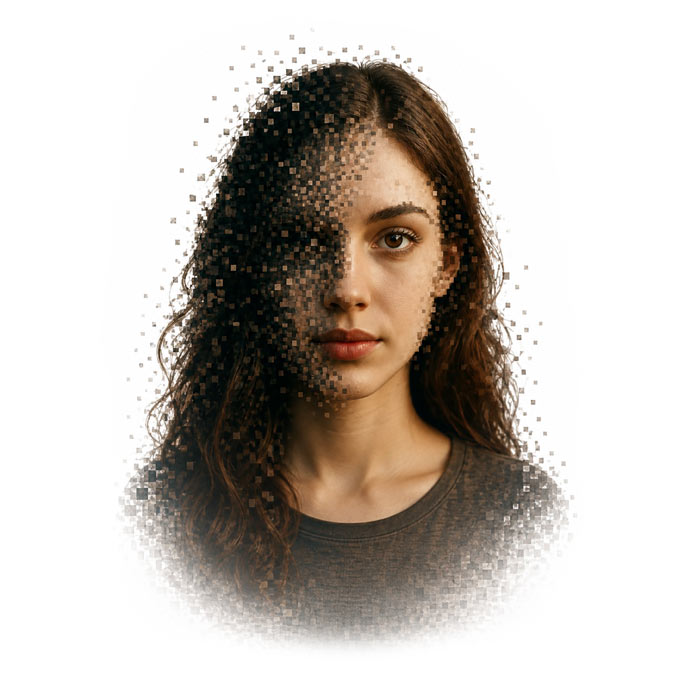
Which images need a label?
Can you tell which images need a label and which don’t?
Deepfake Detection by Neuramancer
Not sure whether your content includes AI-generated elements? Neuramancer can find out with a forensic analysis.
What should the label look like?
The EU AI Act only specifies that labels must be clearly visible and noticeable no later than the first interaction or point of contact. They should make it as clear as possible how the content was created.
It’s also important to consider accessibility measures:
- The symbol should be displayed at a clearly visible size.
- Where possible, assistive technologies should be able to read the symbol through alt text or ARIA labels.
There are already proposed EU icons that can be used to label content. So far, these are available in English in four different versions. Anyone can use these proposed labels.
European Commission recommendation:
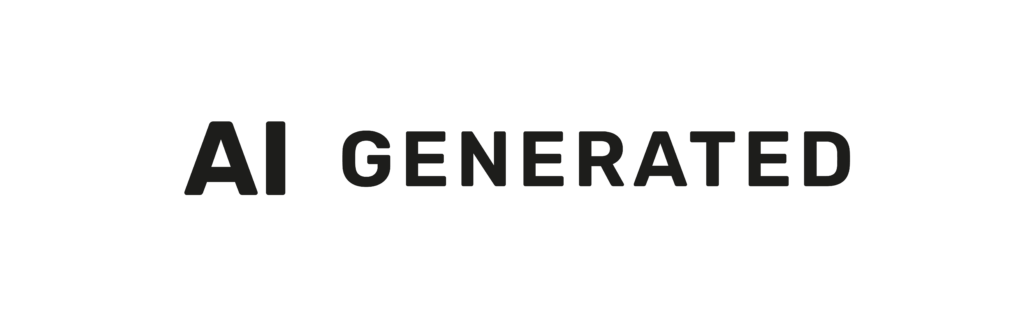
Fully AI generated
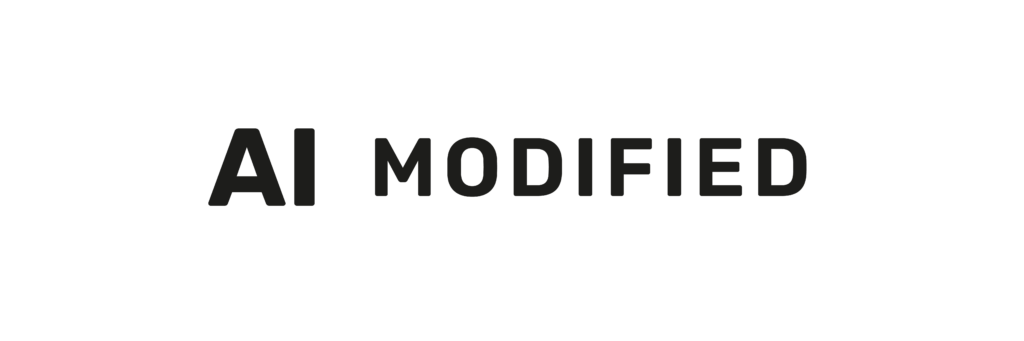
Partly AI modified

Basis-Icon
Do your media need an AI label?
Find out in less than a minute whether your AI-generated or AI-edited image or video needs a label.
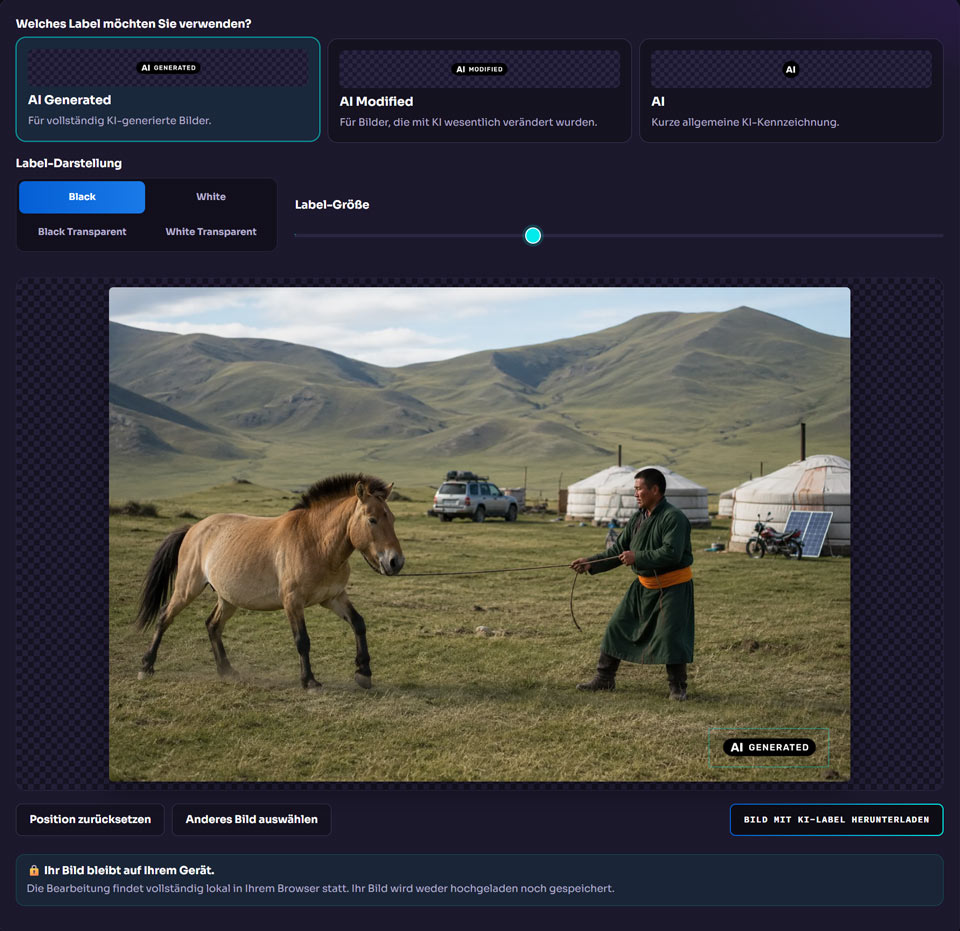
Try it now
Neuramancer’s Label-O-Mat!
Add the right AI label to every image that needs one.
✓ Simple and intuitive to use
✓ No data stored (everything happens locally in your browser)
✓ Completely free
Everything you need to know about the AI Act’s transparency obligations – in our FAQ
Generally, no. Under Article 50 of the EU AI Act, images published before August 2, 2026 don’t need to be labeled. However, labeling or transparency requirements may arise from other laws, such as competition law or rules on unfair commercial practices. In those cases, labeling may be required regardless of the EU AI Act.
Violating the transparency obligations under Article 50 of the EU AI Act can result in significant fines. Breaches of Article 50 can lead to fines of up to €15 million or, for companies, up to 3% of total worldwide annual turnover for the preceding financial year, whichever is higher.
Unfortunately not – but feel free to get in touch. We’d be happy to put together a custom quote for you.
There are no specific design requirements for the labels – the EU has made labels freely available for anyone to use. Our Label-O-Mat makes it easy to add them to your images.
The EU AI Act doesn’t generally require a specific position for the label. For example, it doesn’t have to appear above or below an image. What matters is that the label is clear, distinguishable and easy for people to notice. It should therefore be placed where it can’t be overlooked or confused with other information. The exact design and placement may vary depending on the medium and what’s technically possible.
Our Label-O-Mat makes it easy to position the label on your images.
You can find information on the labeling requirements for AI-generated and manipulated content directly on the European Commission’s website.
Alternatively, you can use our Label-O-Mat to find the right label for your use case.
For videos, the label should be clear and easy to see. Keeping it visible throughout the video may be a suitable solution. However, if only certain parts of a video were AI-generated or significantly altered, a label displayed for a limited time may also be appropriate, depending on the content and how it is used. The key is to make sure viewers can easily see and understand the label.
Our Label-O-Mat currently only supports image labeling. If you need help labeling videos, feel free to get in touch with us!
Any content generated or manipulated using AI must be labeled unless it is clearly fictional.
Under the EU AI Act, deepfakes are defined as AI-generated or manipulated images, audio or video that resemble real people, objects, places or events and could falsely appear authentic or genuine to someone.
Generally, no. If you use AI solely for personal, non-professional purposes, the EU AI Act’s obligations for so-called “deployers” do not apply to you as an individual.
A word of caution: Even if the EU AI Act does not require labeling in this case, other legal requirements may still apply. These include, for example, image rights, copyright and personal rights.
Press and media coverage
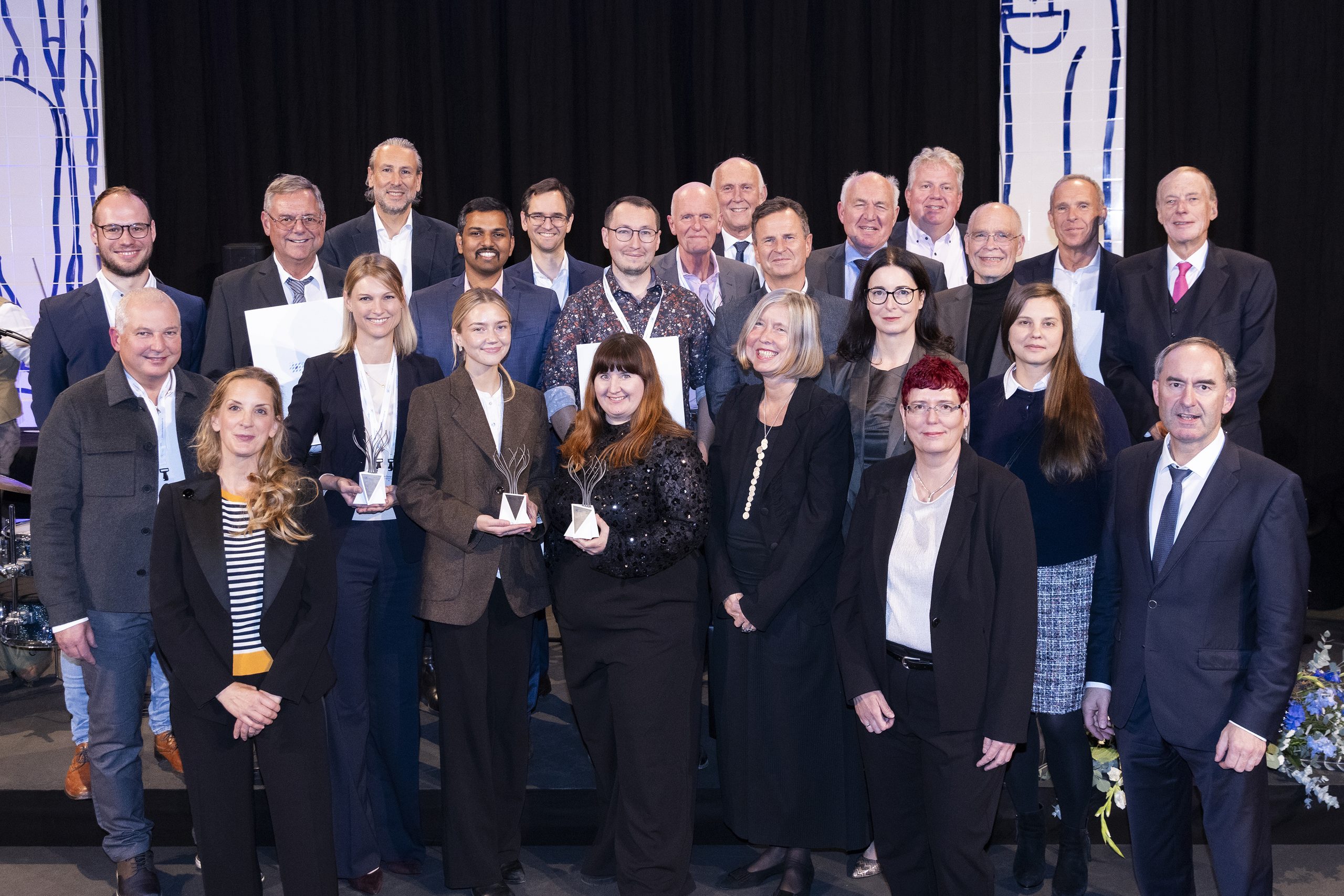
Neuramancer Wins the 2026 Bavarian Innovation Award
(Bavarian State Ministry of Economic Affairs, Regional Development and Energy)
Neuramancer has won first place in the “Start-Up” category at this year’s Bavarian Innovation Award. Selected from 230 outstanding submissions, the young company impressed the jury and received the award in person from Hubert Aiwanger, Bavaria’s Minister of Economic Affairs.
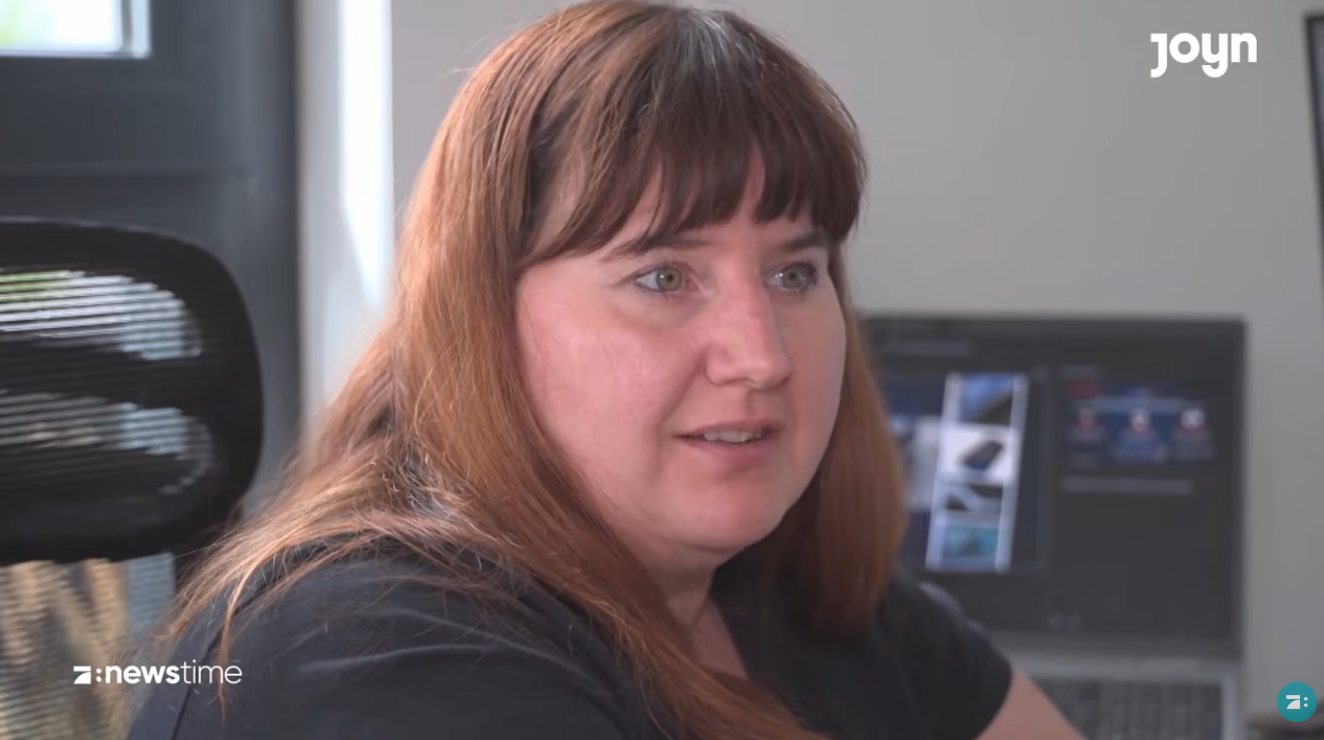
How Fake Videos Threaten Democracy
(by Pro7 :newstime)
AI-generated videos and deepfakes are becoming increasingly realistic and are now almost impossible to reliably detect with the naked eye. Anika Gruner explains how experts track down the telltale signs of manipulated footage.
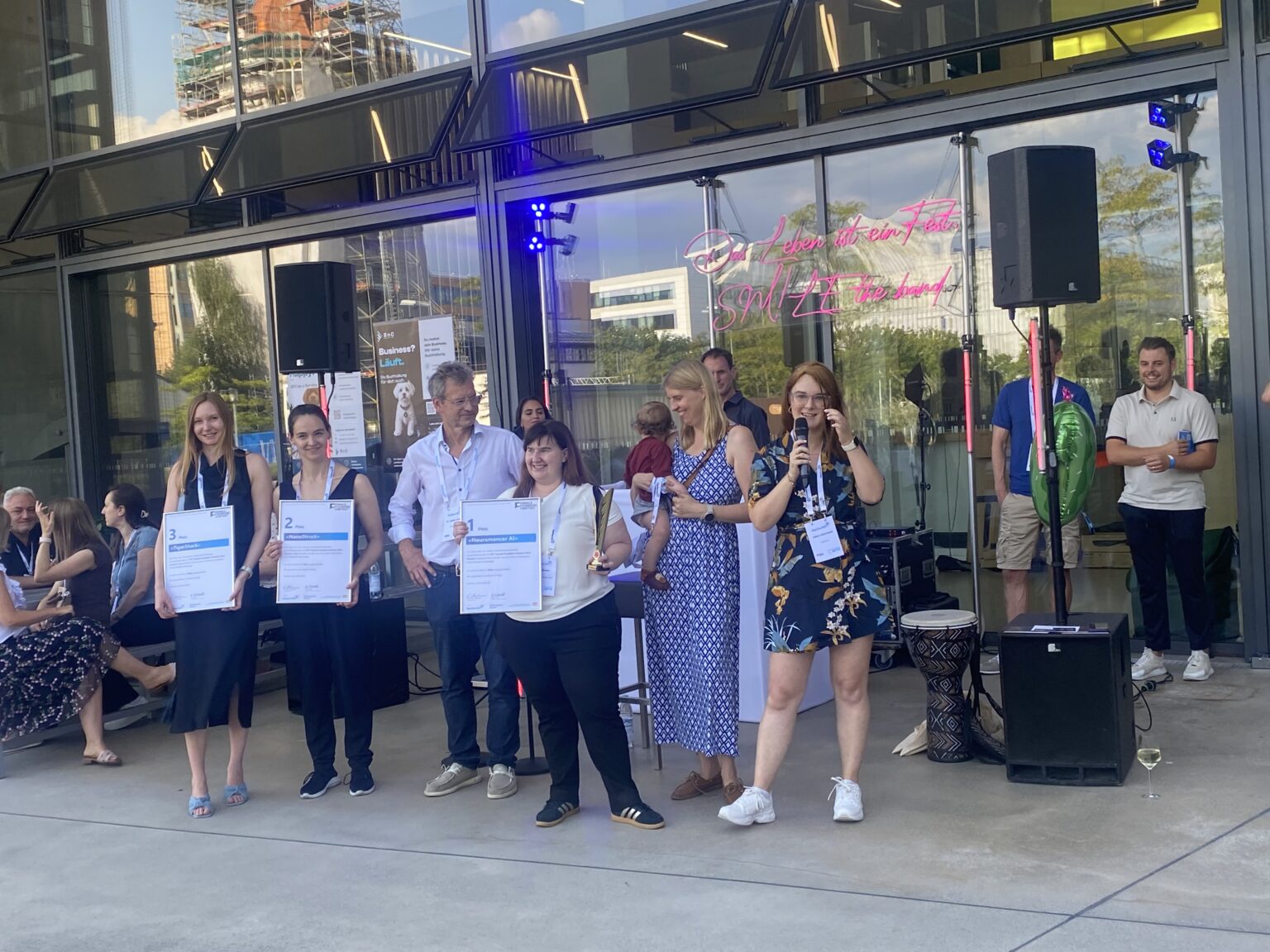
Neuramancer Wins the Bavarian Final of the Female Founders Contest 2026
(Article in VentureCapital Magazin)
At the 2026 Bavarian Female Founders Contest, Anika Gruner impressed the jury with her pitch, taking the top spot in the Bavarian final ahead of twelve other finalists.
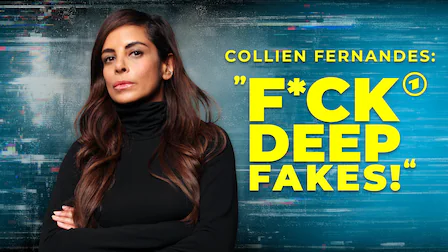
Neuramancer Featured in Documentary on Deepfakes with Collien Fernandes
ARD Mediathek
Collien Fernandes visited us in Rosenheim to learn more about the latest advances in deepfake detection. Her interview with Anika Gruner can be seen in the documentary from minute 35 onwards.
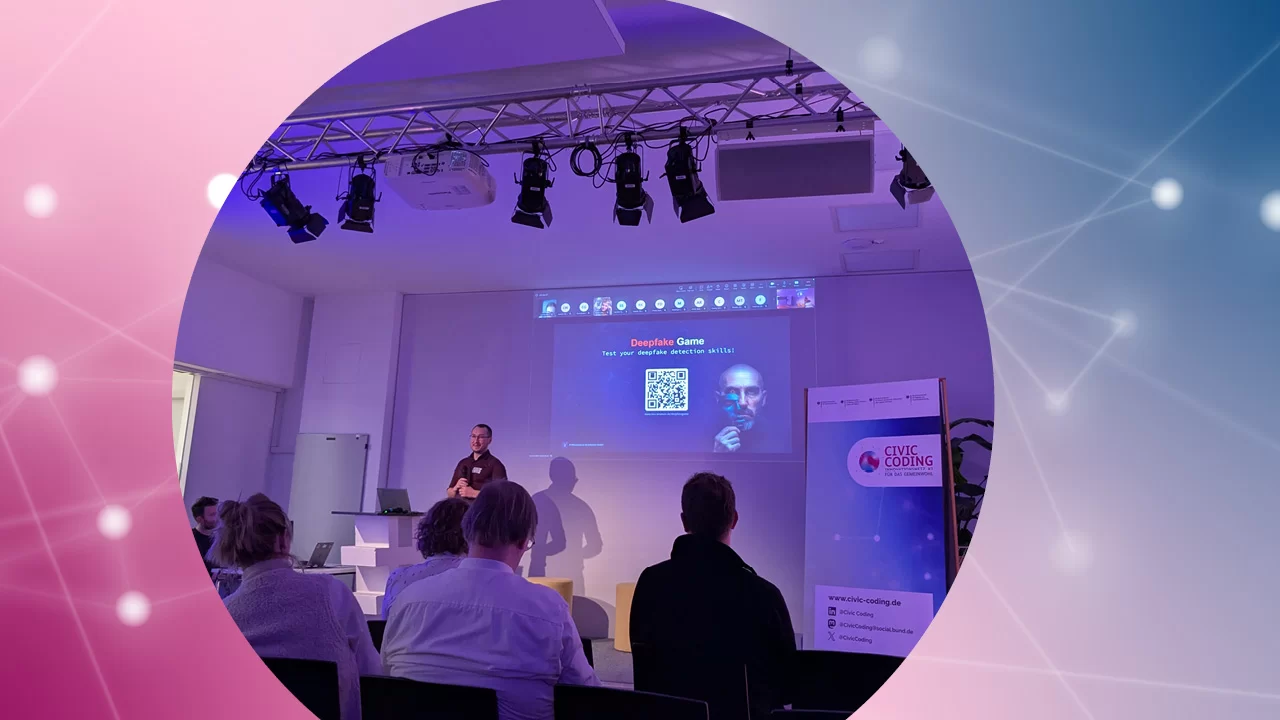
Deepfakes: Risks, Legal Frameworks & Detection Technologies
(Guest article for the Civic Coding Forum)
At our joint Civic Coding forum with Media Lab Bayern, we discussed how media literacy can help protect against disinformation and how AI applications can support fact-checking and the detection of manipulated content. One of the practical examples presented was software developed by start-up Neuramancer, which can detect manipulation in images and videos. In his guest article, founder Anatol Maier takes a closer look at the risks posed by deepfakes and the ways to combat them.
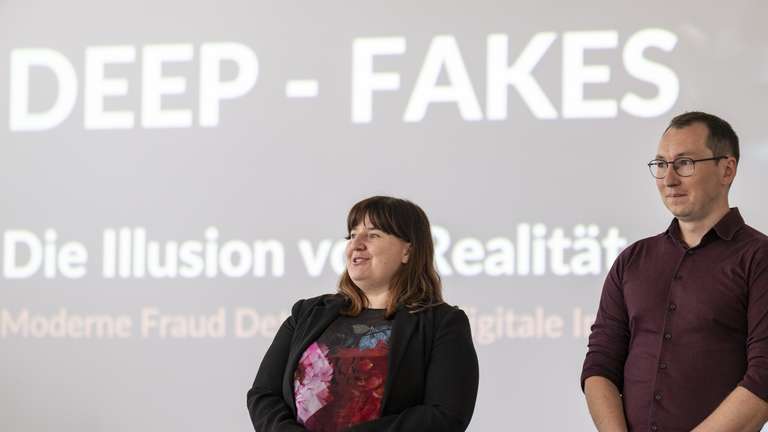
Startup Develops Software to Combat Deepfakes in Digital Media
Article about Neuramancer on Merkur.de
A fake image can destroy careers and influence elections – even when it is entirely fabricated. Two founders are taking on the growing threat of deepfakes.
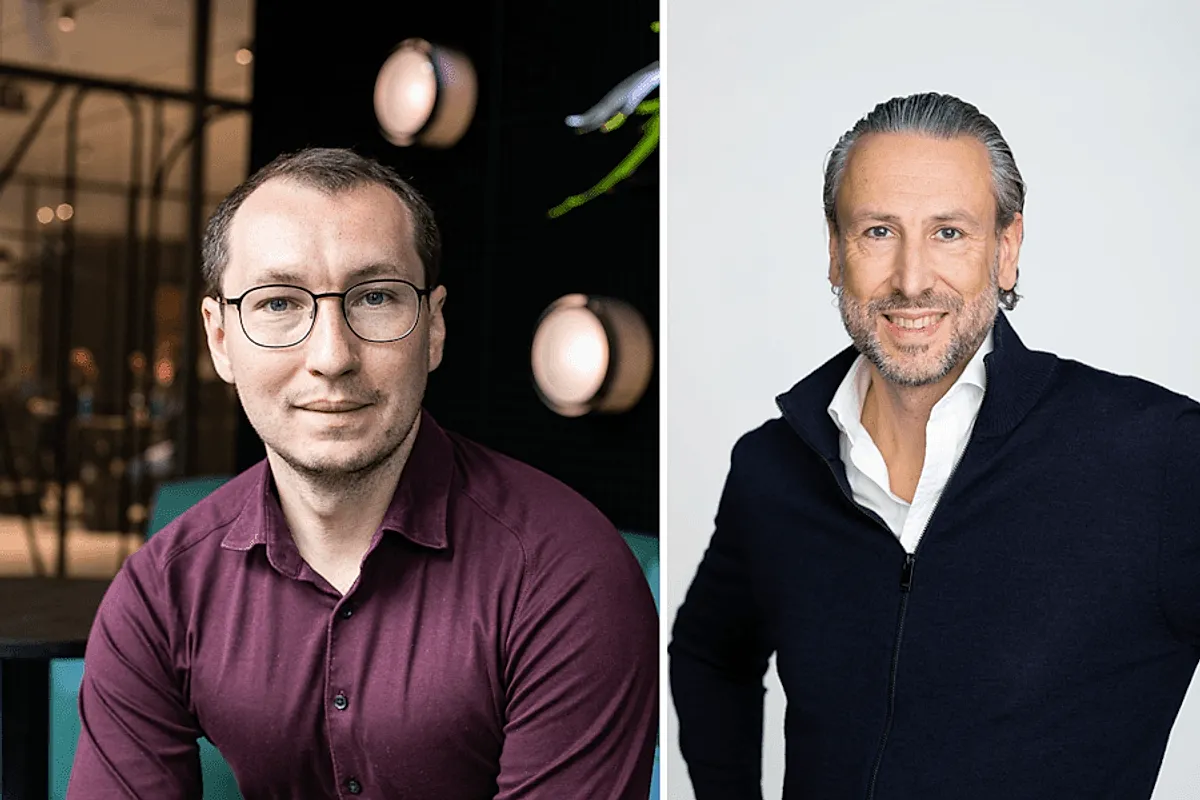
Interview with Martin Sondenheimer and Anatol Maier in Finanzwelt
In an interview with industry magazine Finanzwelt, Anatol Maier and Martin Sondenheimer answer questions about how Neuramancer’s deepfake detection technology is keeping pace with rapid advances in AI, the technical challenges that lie ahead, and the new use cases for Neuramancer’s technology.
How to Build a Successful Startup Despite the Economic Crisis
BR24 at Neuramancer
What does it take to build a successful startup? What mindset do founders need to turn their ideas into a successful business? Featured on BR24.

Deepfake Expertise Featured on the Bavarian Broadcasting Corporation’s “Stationen” Programme
Real or fake? Images of the Pope wearing a white puffer jacket or Donald Trump being arrested are relatively easy to identify as fake. But artificial intelligence is becoming an increasingly common part of everyday life – and with it comes growing mistrust.
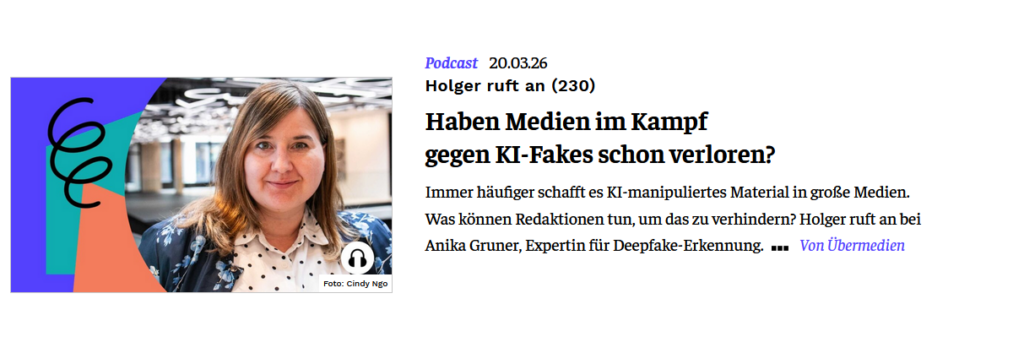
Podcast on Fake News Agency Images Related to Iran
Holger ruft an – on Deepfakes
In March 2026, Der Spiegel revealed that it had inadvertently used AI-generated images in its coverage of Iran. The editorial team only discovered the issue after the images had already been published. Neuramancer was brought in to examine the suspicious images, and podcast host Holger Klein from Übermedien interviewed Anika Gruner about the case.
Podcast on Deepfakes and Fact-Checking on Spotify
Fake News & Fact-Checking
The fear of no longer being able to trust our own eyes is a recurring concern when it comes to deepfakes. Apps and freely accessible online platforms make it incredibly easy to create them, while there is no general requirement to label AI-generated content. This naturally makes spotting fakes more difficult.
This episode explores the typical signs that can help identify AI-generated images, videos and audio. What exactly should we look for when checking object permanence and tone of voice? Why can we still rely on our own eyes? And why are AI detectors often unreliable?
Jana Heigl from the fact-checking format Faktenfuchs, Johanna Steele from Neue Presse and Anatol Maier from the startup Neuramancer AI share their insights.

Press Coverage by XPLR: Media in Bavaria
How can media professionals identify AI-generated or manipulated content? Anika Gruner and Anatol Maier know the answer. Through their start-up Neuramancer AI, they are developing software that can determine whether artificial intelligence was used to create or alter images and other content.
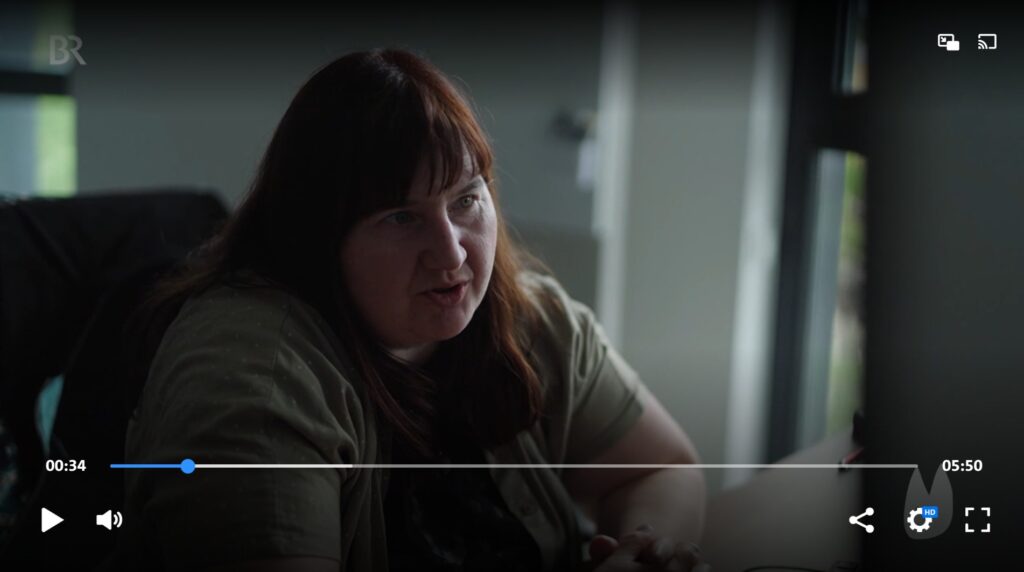
Neuramancer Featured on BR’s Arts and Culture Programme Capriccio
Author Maximilian Sippenauer visited Neuramancer to explore a pressing question: What does the future hold for images in our society?
Podcast on Deepfakes and Fact-Checking on Spotify
Featuring Anika Gruner and Anatol Maier
Deepfakes in images, videos and audio are becoming increasingly difficult to detect, posing a growing challenge for the media. Neuramancer offers a solution with its advanced AI technology, which identifies manipulated and AI-generated content.
How does this technology work, and what role will it play in the future of the media? Host Sabrina Harper talks to experts Anika Gruner and Anatol Maier about the rapid advances in deepfake detection and what media professionals can learn from them.
Not sure if your images have been edited using AI?
Not sure whether your content contains AI-generated elements? Neuramancer can find out through forensic analysis.